Hawaii Clean Fuel
Defeating Big Oil in the most diverse state in America
Market research
Branding & positioning
Digital strategy
Copywriting & storytelling
Social media
Email marketing
Paid advertising
About this project
A coalition of clean energy advocates set out to make Hawaii the fifth state in America with a clean fuel standard. Big Oil had spent more than a decade killing similar bills in state after state, and Hawaii was supposed to be different in all the wrong ways. The islands import almost all of their energy, 70% of the electric grid runs on diesel, and 250 commercial flights take off over Oahu every day. The pollution, and the price, falls hardest on local residents. Our job: build a base of supporters from scratch and move skeptical legislators in a state where backroom politics had already killed the bill once.
The Challenge
Hawaii is the most ethnically diverse state in the country, with a tourism-dependent economy, a large transient military population, and a cost of living that punishes working families. What worked in Washington could not be copy-pasted to a state with different demographics, different communication habits, and different power brokers in the capitol. An earlier version of the bill had cleared the State Senate and then died in a House committee that had nothing to do with energy or environment, killed as a favor from one fifty-year friendship to another. We needed a playbook built for the islands, not a hand-me-down.
Research-Driven Messaging
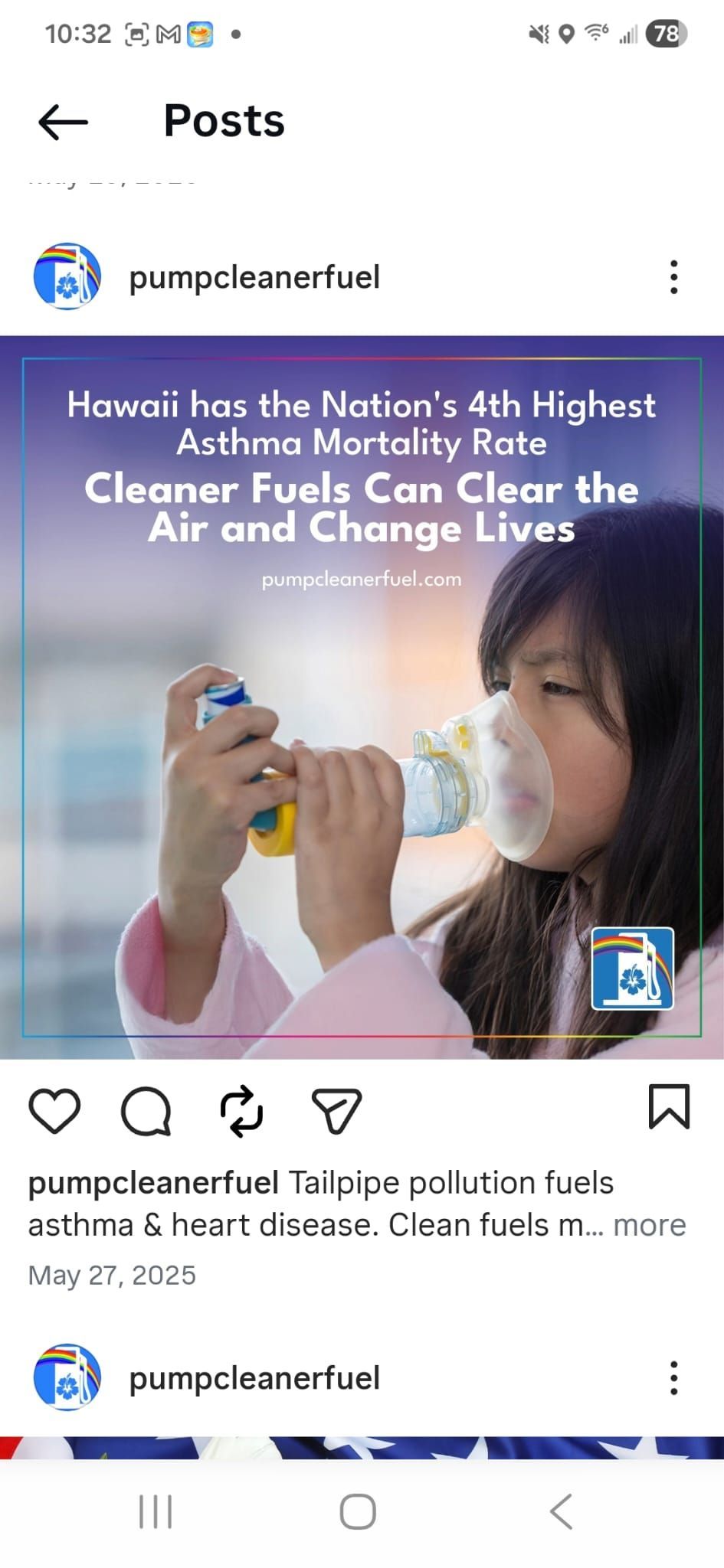
Polling told us our strongest base was women homeowners over 50, and that pollution and health (not climate) drove persuasion in lower-income and minority communities already living with the consequences of dirty fuel. Health disparities and economic opportunity led the message. Climate followed.

A Mascot With Local Meaning
The Hawaiian monk seal is native, beloved, and endangered by the same ocean acidification driven by fossil fuel pollution. We made the monk seal the face of the campaign. Animated videos, social ads, and a website that declared clean fuels from recycled sources "Monk Seal Approved" gave the campaign cultural credibility before anyone had heard of us.
A Story With Local Sources
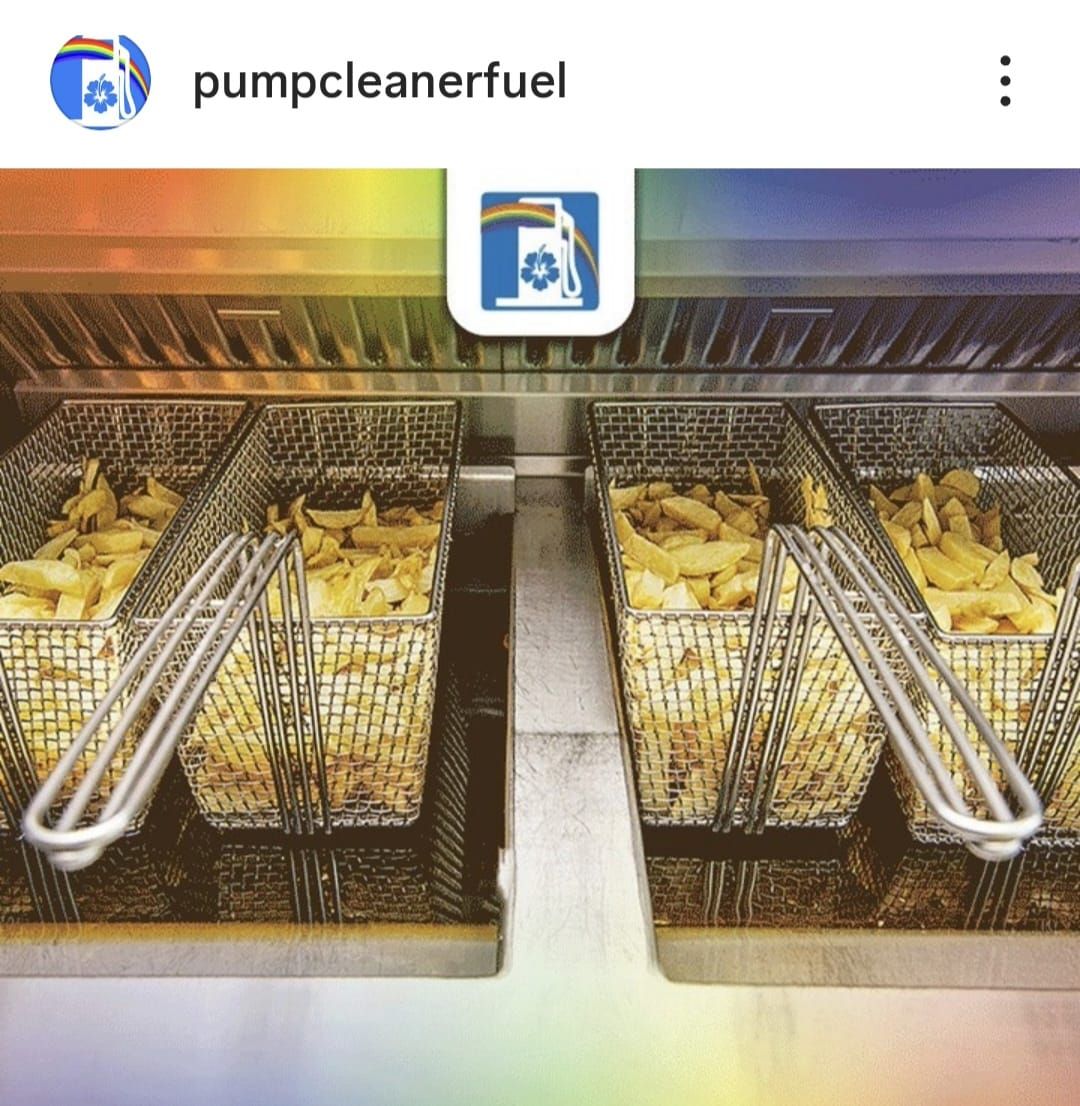
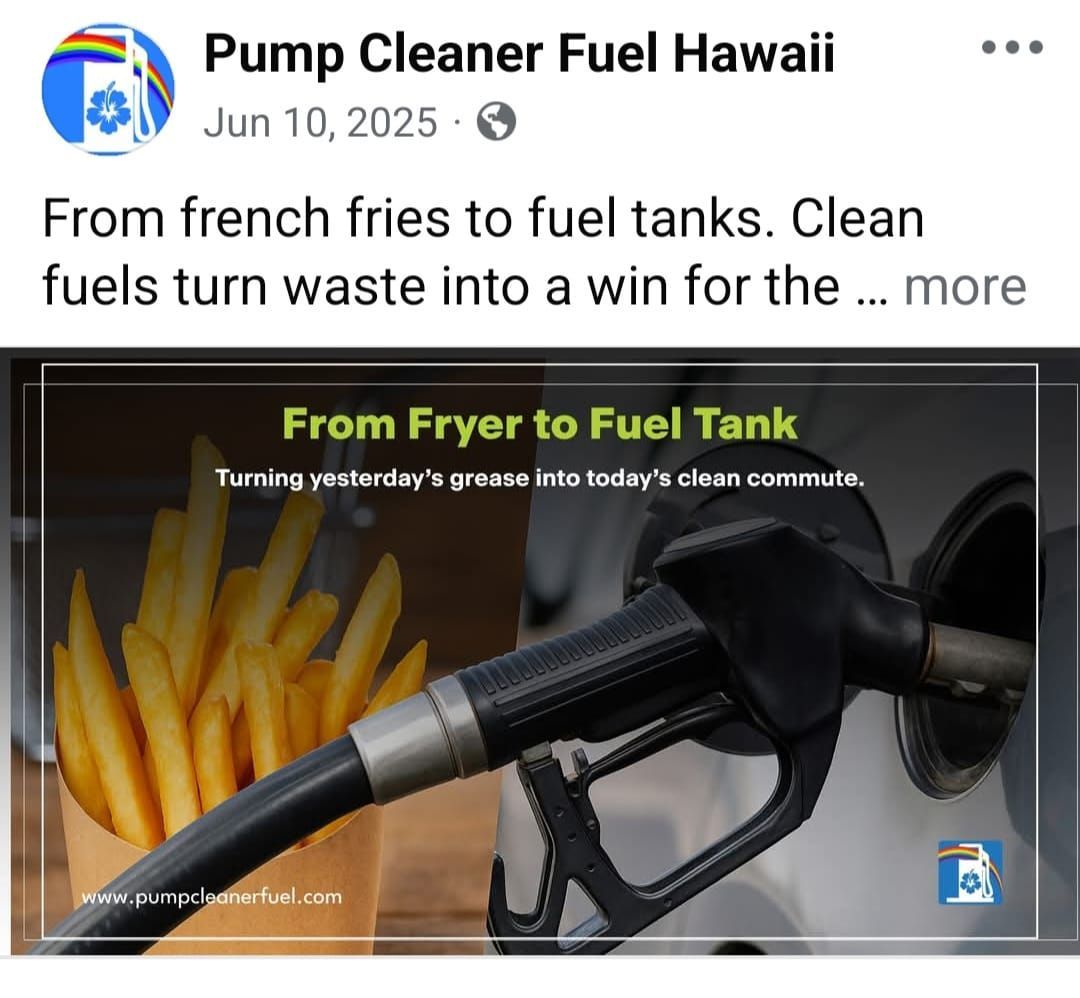
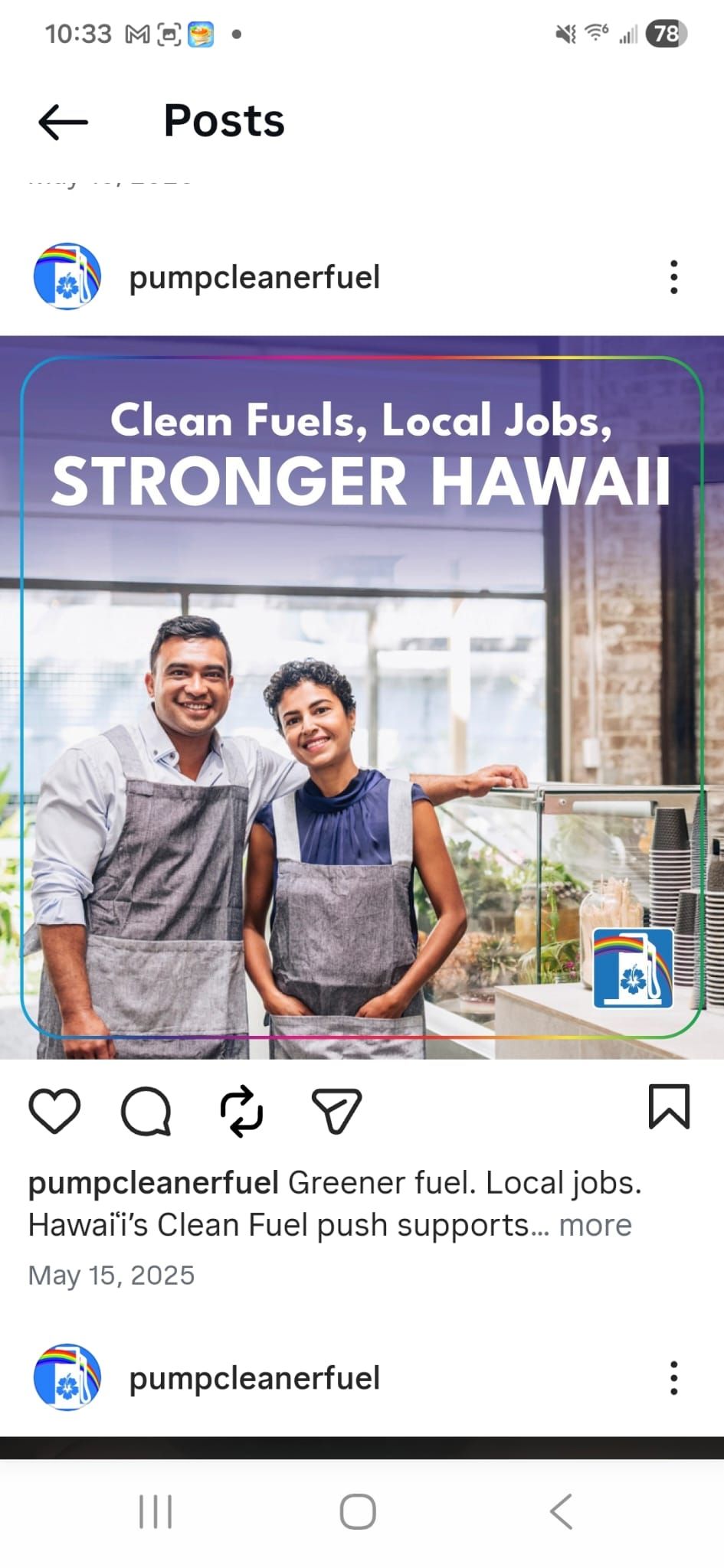
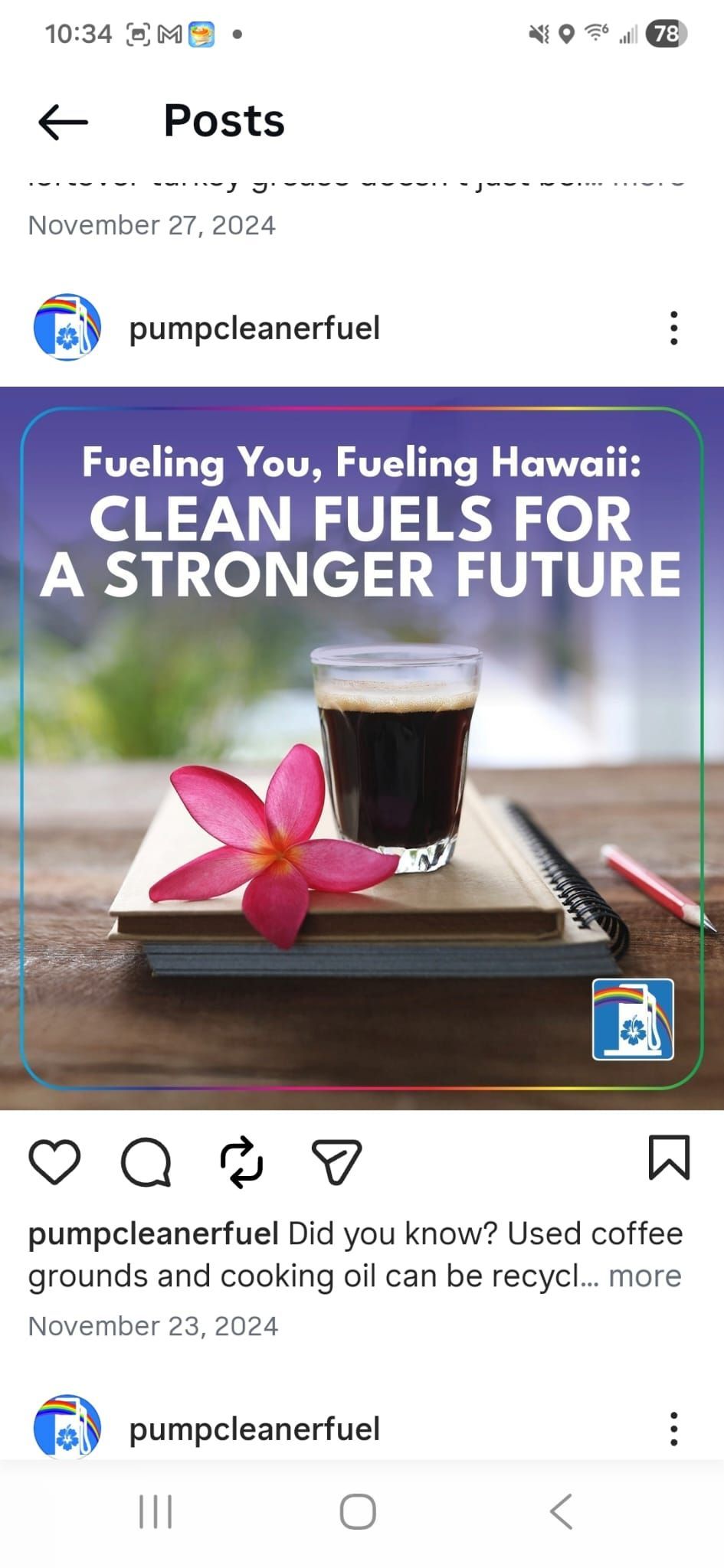
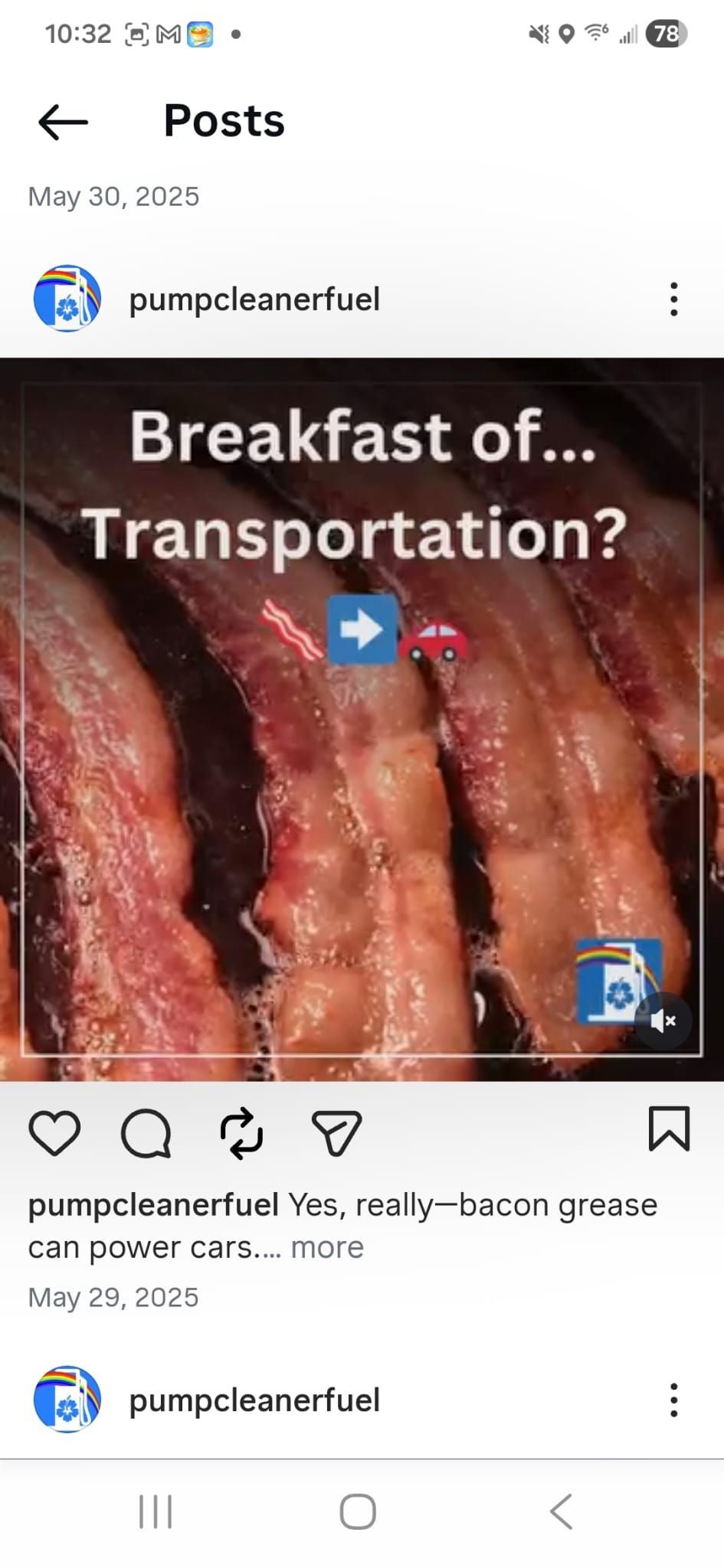
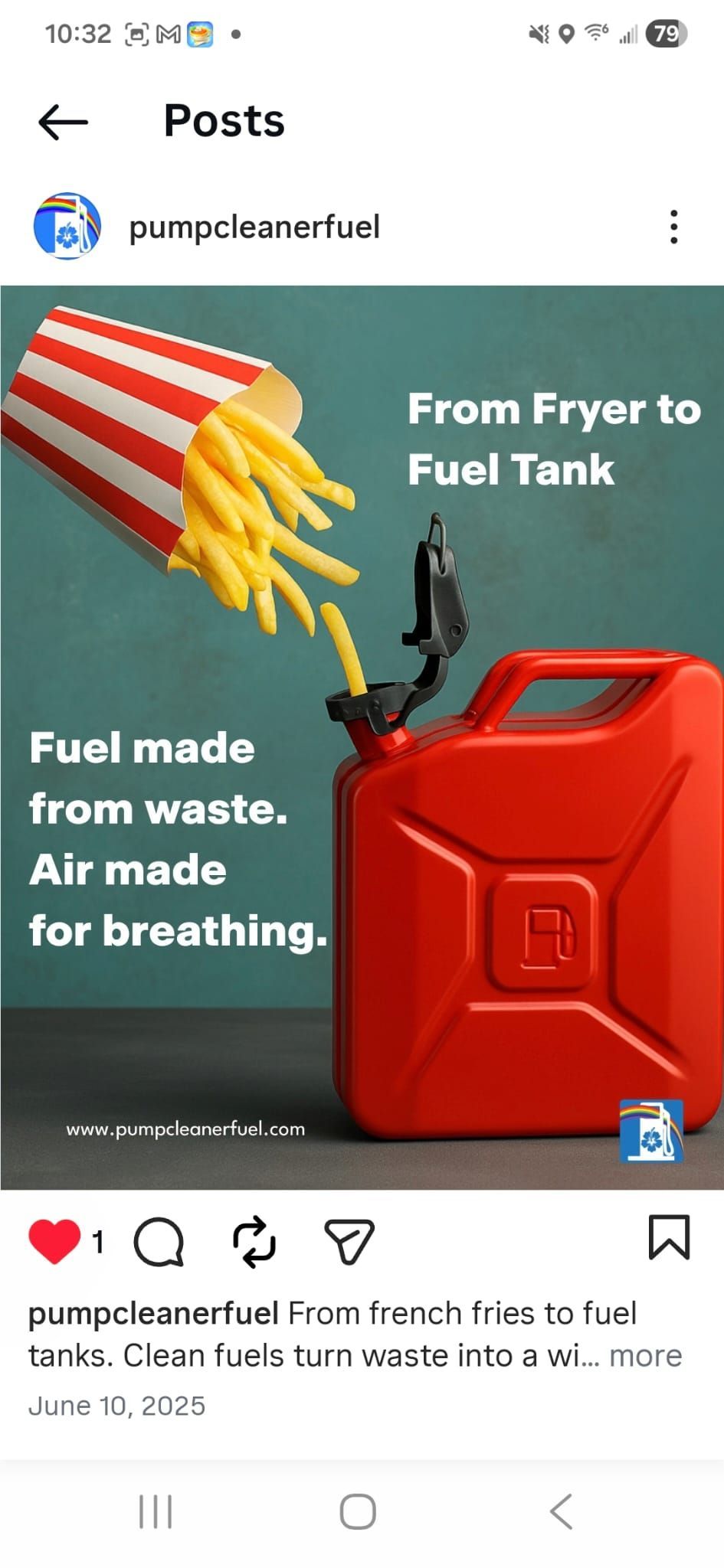
Hawaii's own waste streams could fuel Hawaii. Used cooking oil from the state's 4,000 restaurants. Food and farm waste from coffee, pineapple, and macadamia nut operations. Clean fuels weren't an imported climate policy. They were a homegrown answer to a homegrown problem, and a new income source for the people growing and cooking on the islands.
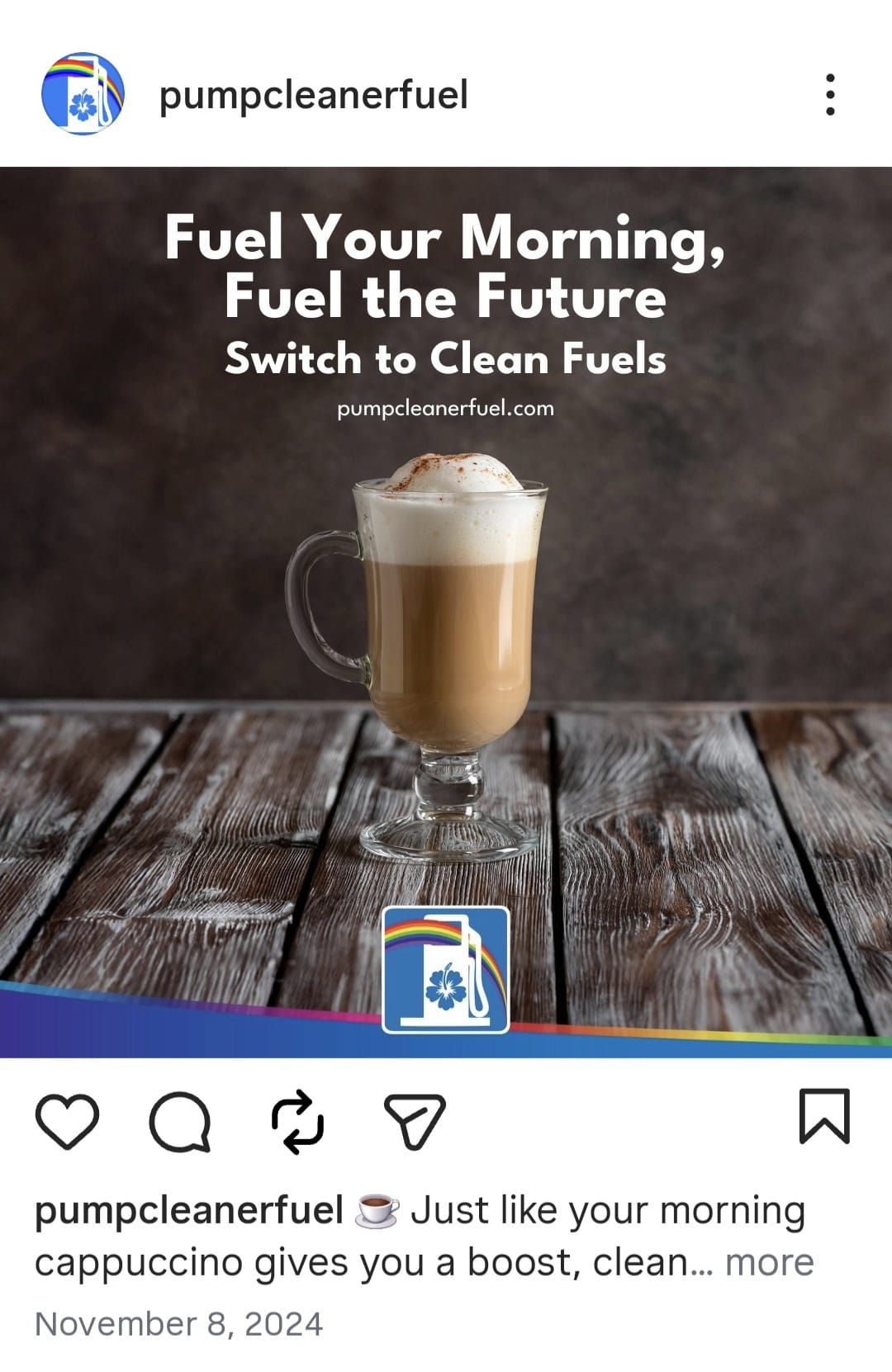
Digital Campaign
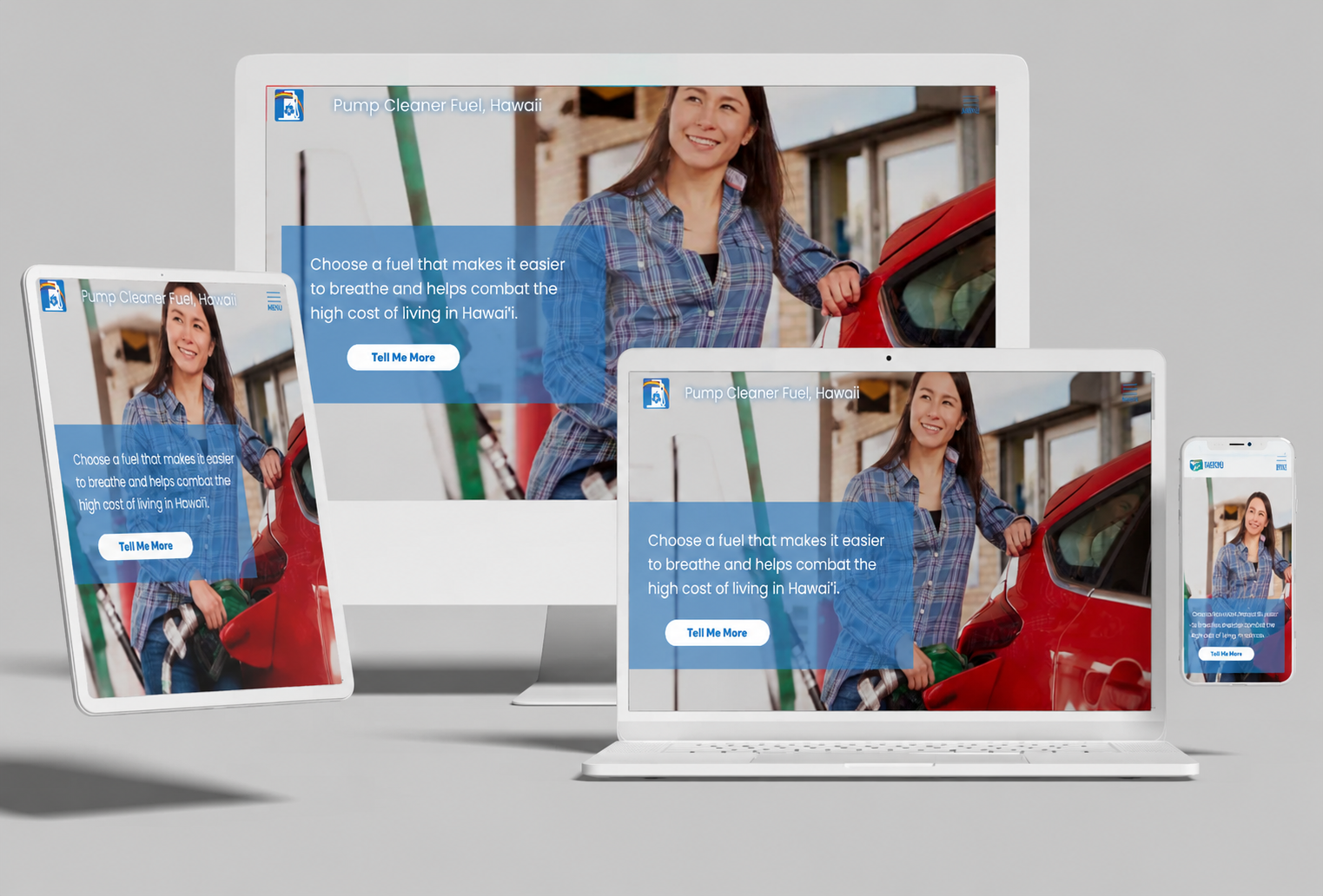
The website hammered home key messages, but unlike so many environmentally-based campaigns focused on the planet, this one focused on real people. An animated explainer video made the policy accessible, while well-sourced timeline charts showed the impact of California's similar legislation on jobs, gas prices, and fossil fuel reduction.
Social Media & Paid Advertising
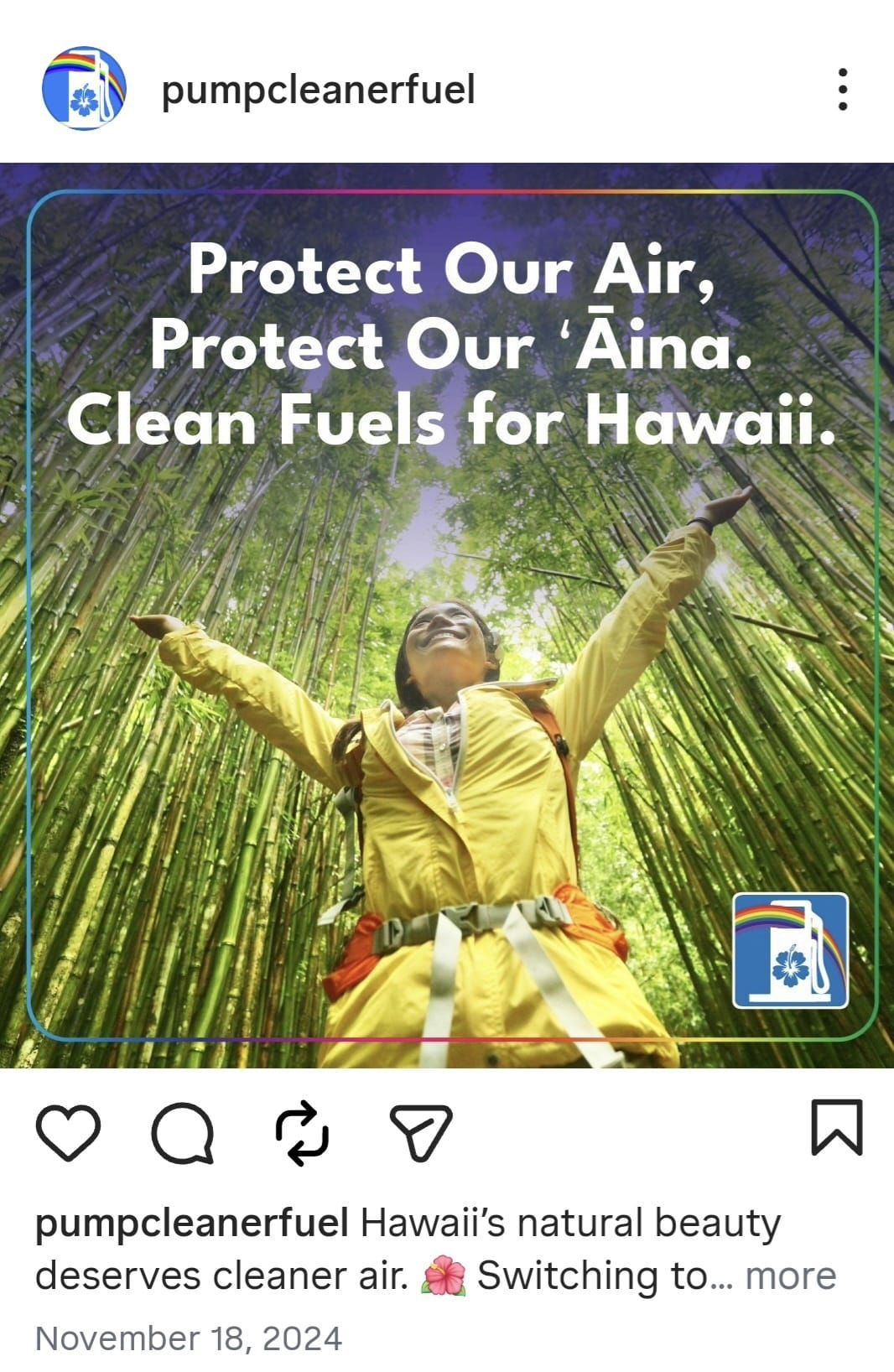
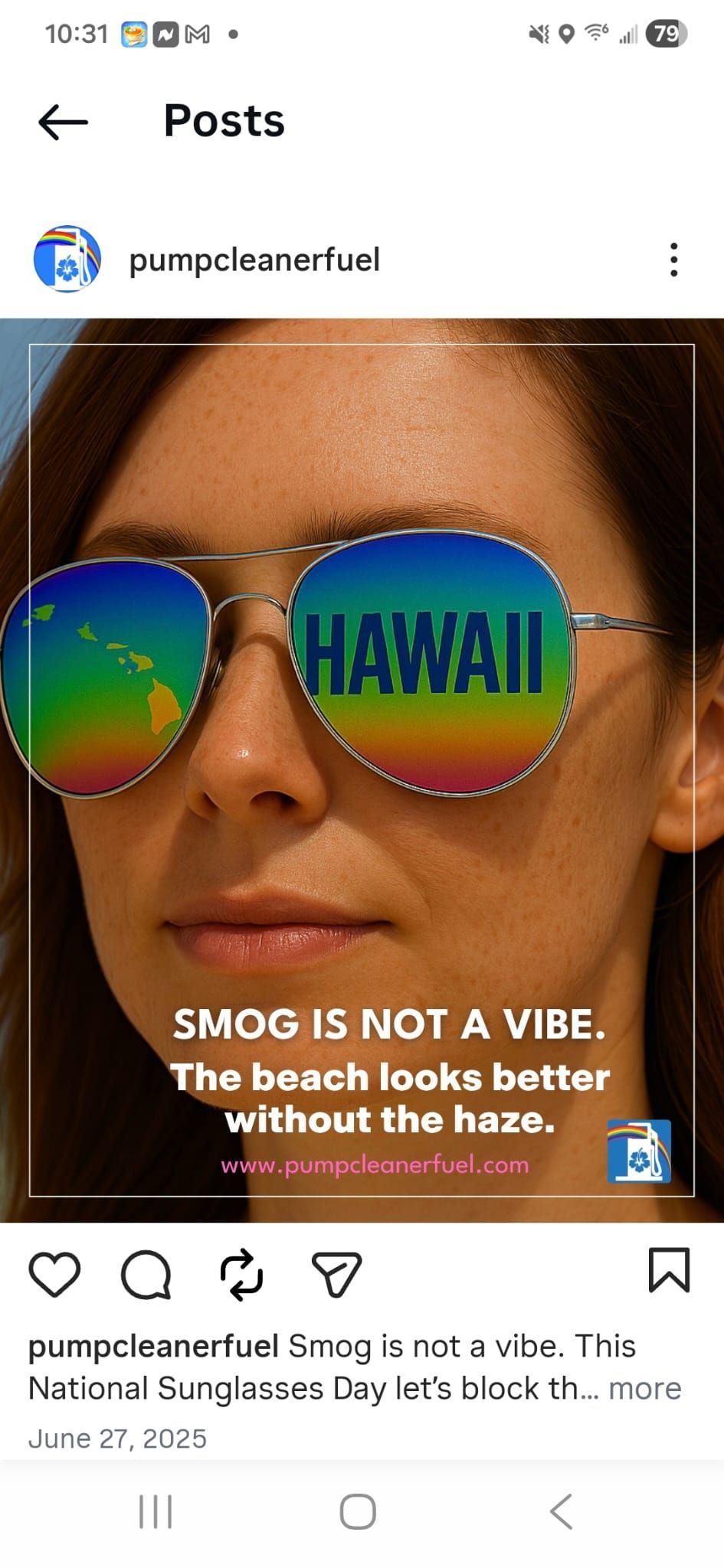
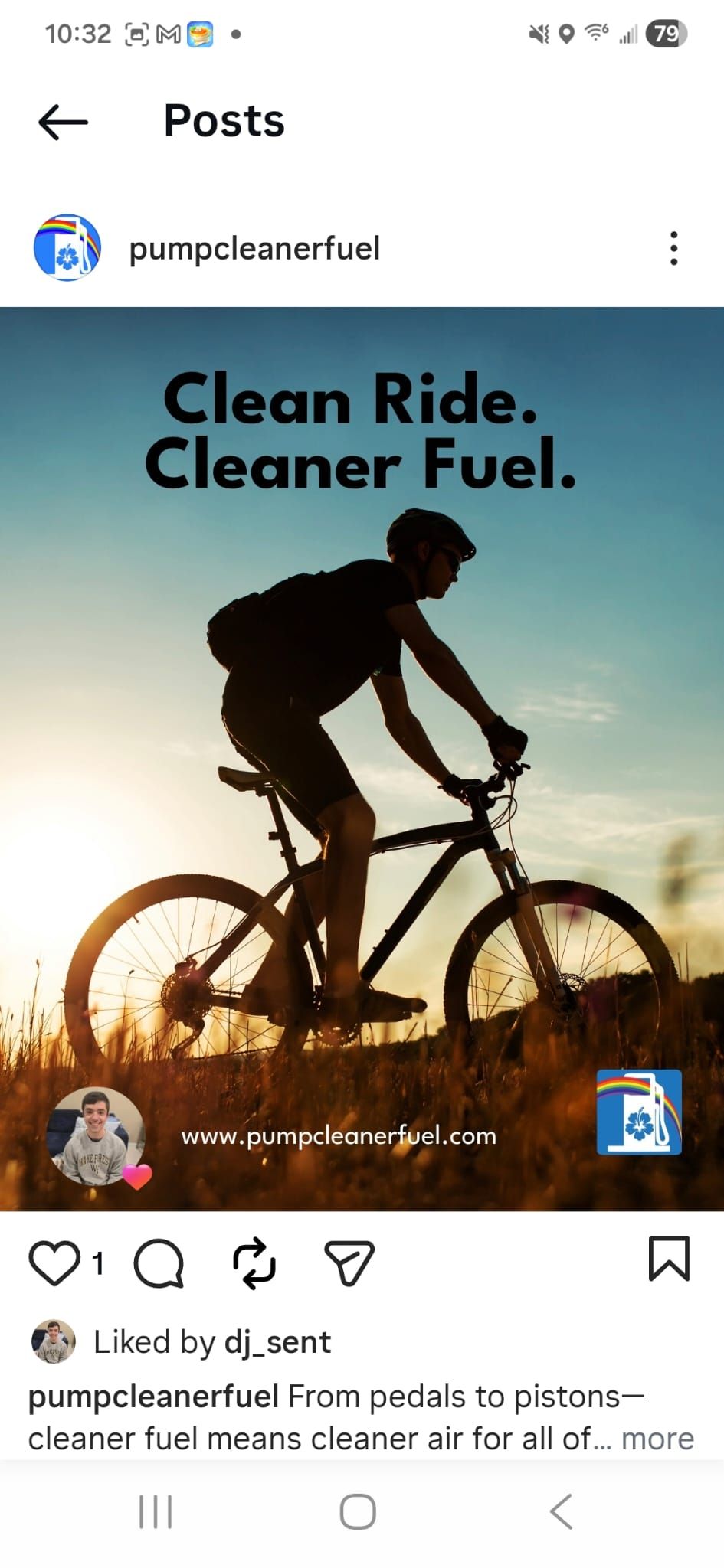
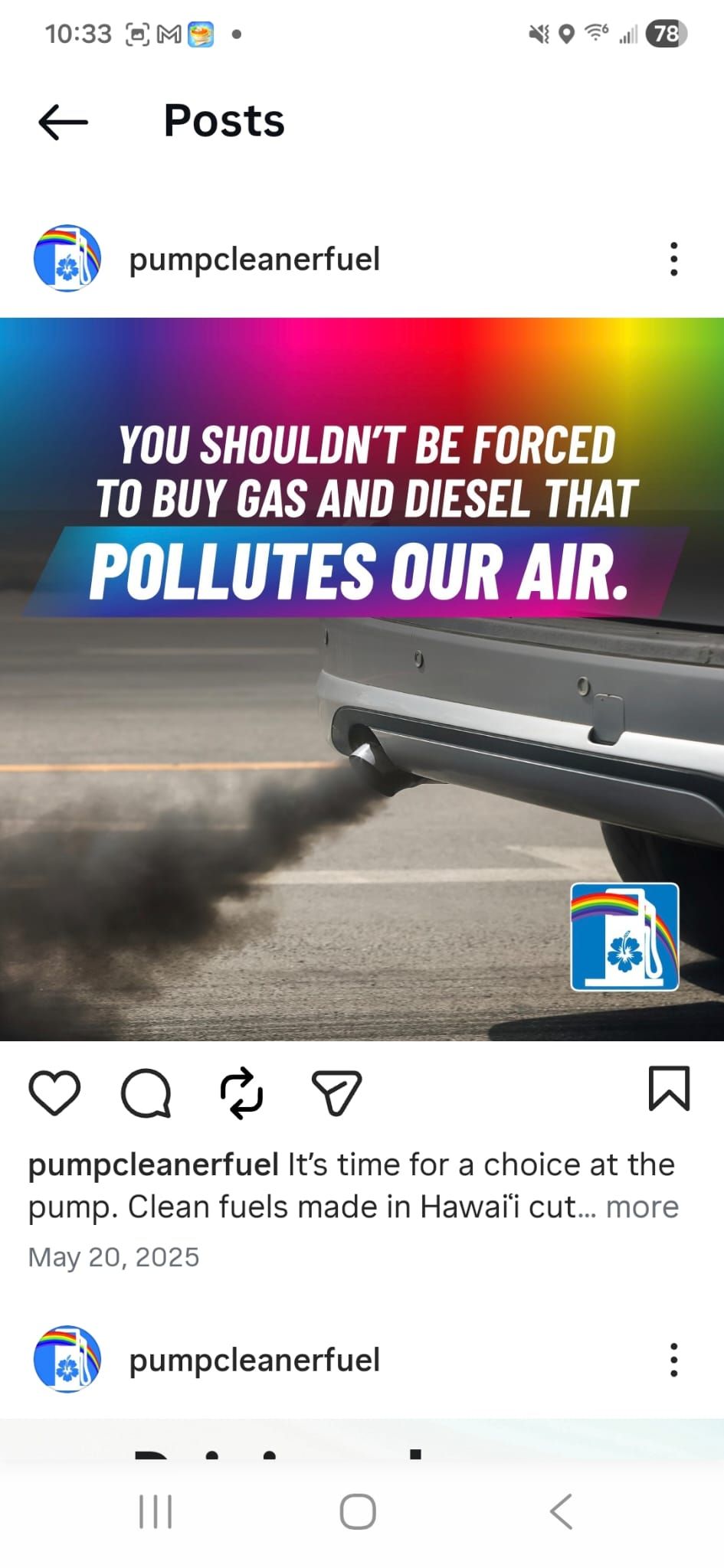
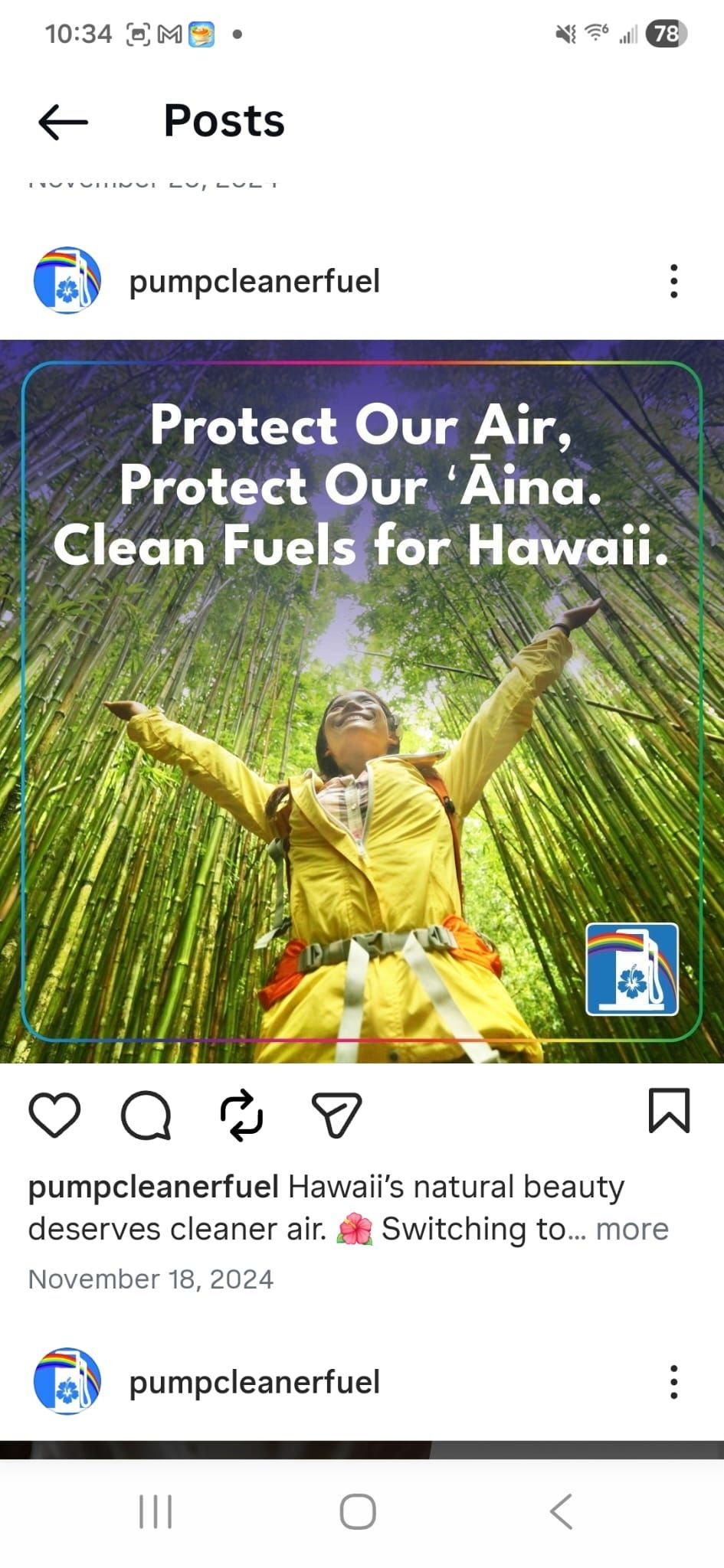
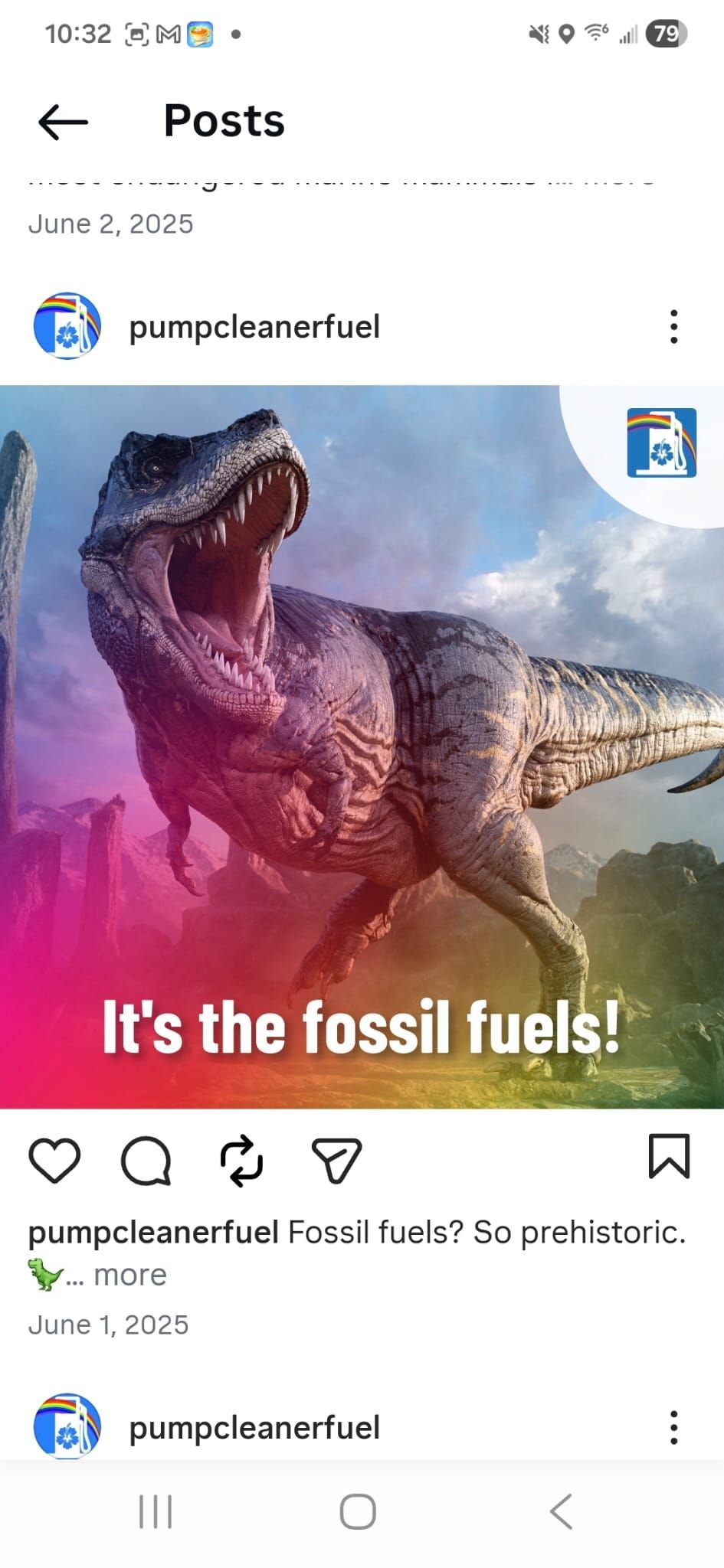
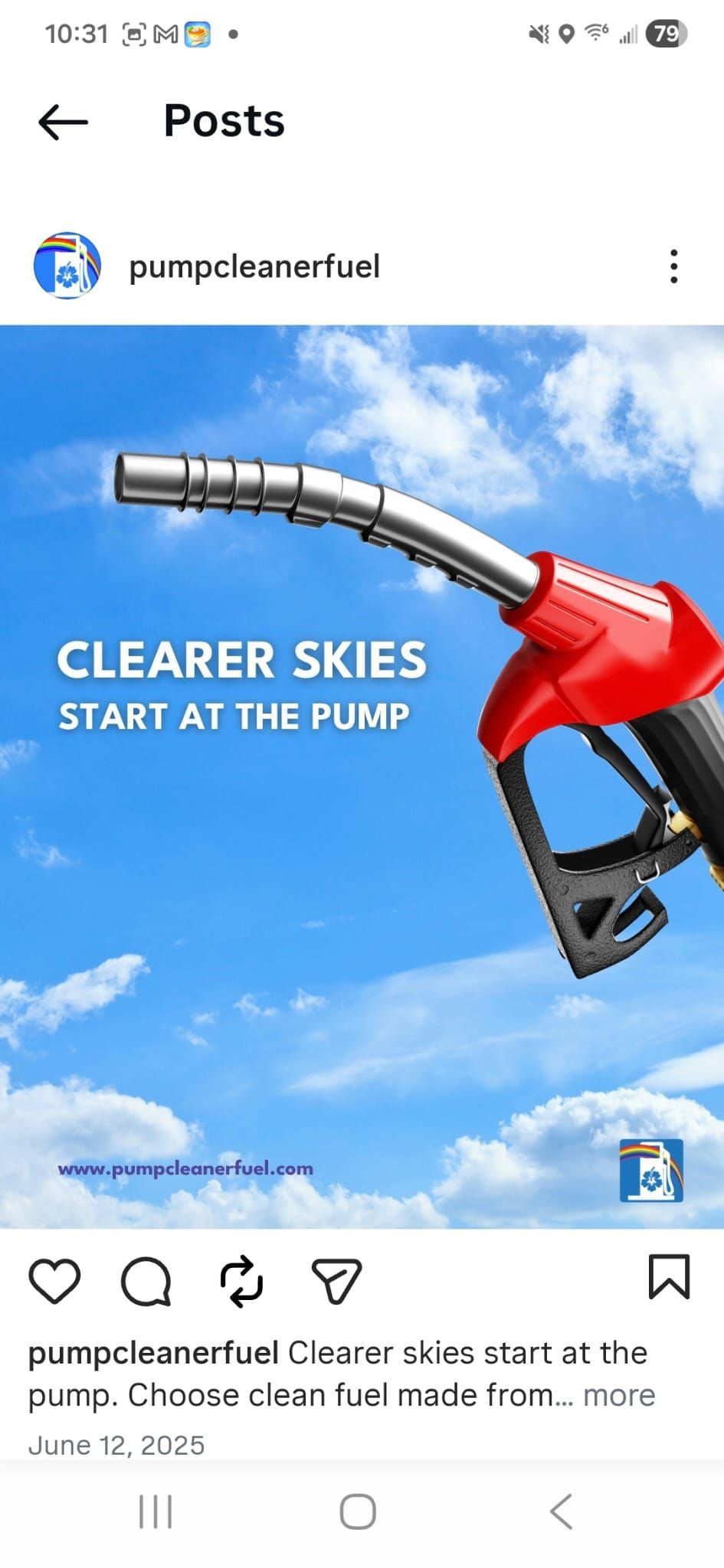
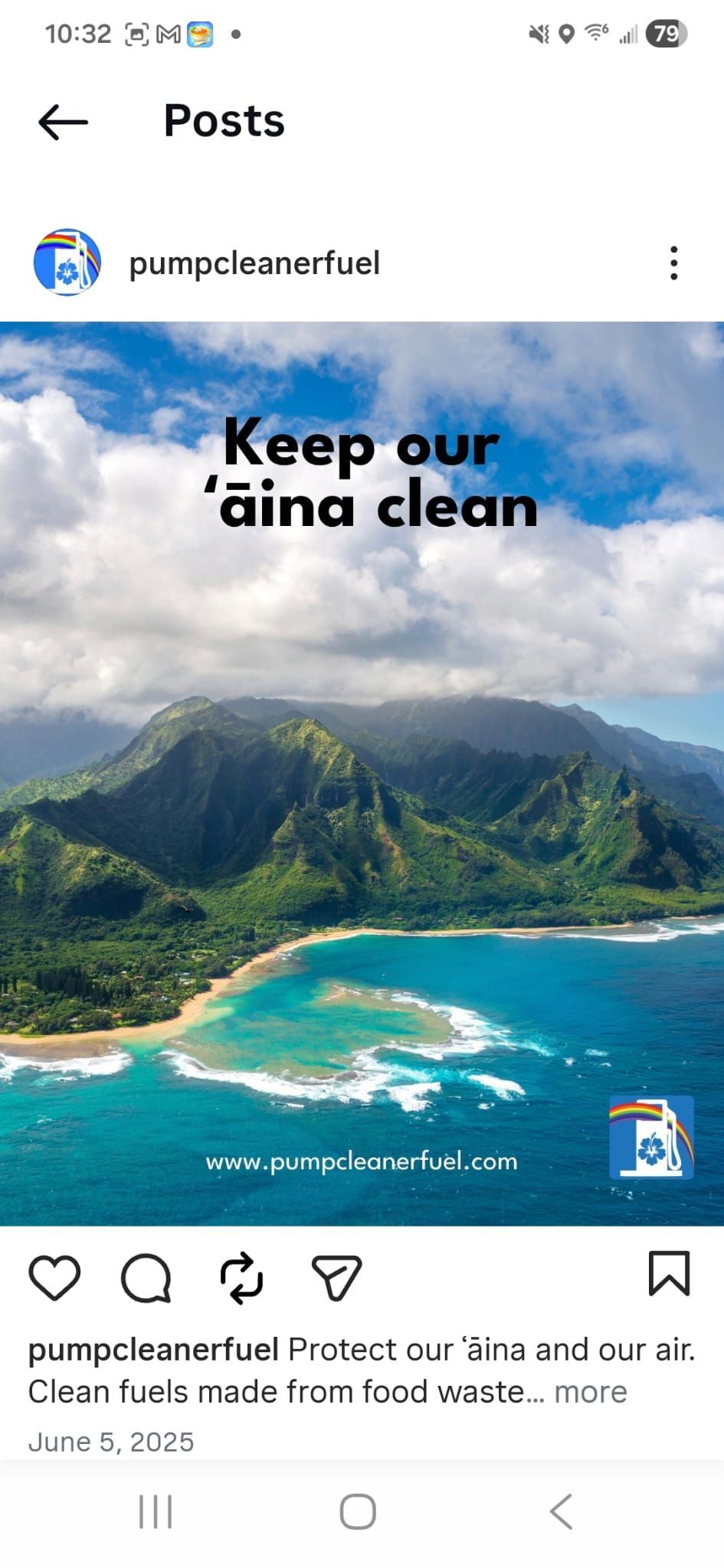
Big Oil's playbook is predictable: well-funded front groups warning of high gas prices and lost jobs. We exposed the funders, pre-empted the price attacks (admitting upfront that the policy would raise gas prices by roughly a penny per gallon, the same modest increase seen in California), and made the case that the real threat to family budgets was the monopoly Big Oil holds over every gas tank in the state.
Email and SMS Marketing
Email had been the workhorse in Washington. In Hawaii, residents barely opened it, even from senders they trusted. Text messaging was the channel that landed, and the campaign retooled around it.
Streaming Audio
Television ads were were out of reach, but targeted ads on Pandora and Spotify reached voters where they were already listening.
Maya Explains....
Our Ancestors...
RESULTS
THE WIN!
With Governor Green's signature, Hawaii becomes the fifth state in the country to enshrine a clean fuel standard, joining California, Oregon, Washington, and New Mexico.
Measurable Impact
A campaign that started with zero brand recognition built a base of educated, motivated supporters who contacted legislators in their own words, not from a canned email template. The bill cleared both chambers and survived the political headwinds that killed it the first time around.
The Ripple Effect
Every new state that passes a clean fuel standard makes the next one easier. The myth that pollution can't be reduced without raising gas prices, and the myth that climate policy costs jobs, keep falling. More states are watching. More are coming.