
Don't Confuse Your Founder Story With Your Brand Narrative
One explains why you started. The other explains why your audience should care.
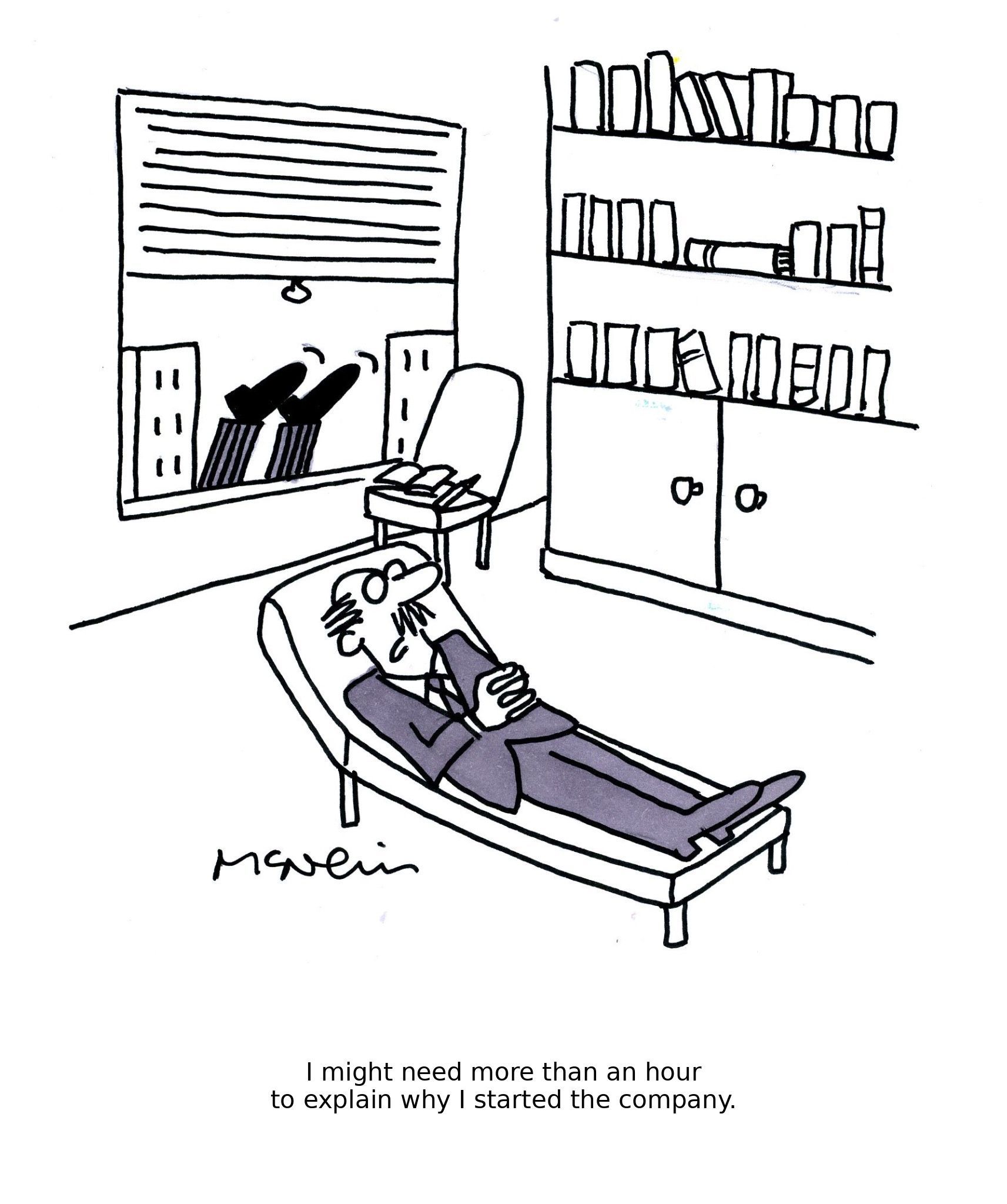
A founder’s story is powerful. It explains why you started your company. It shows your passion, your journey, and what keeps you up at night.
But it is not your brand narrative.
Too many cleantech founders make this mistake: they lead with their own journey, their “aha moment,” or their personal motivations — and confuse that with the story the market wants to hear.
The result? Visitors skim past your message because it’s about you, not about them.
If your homepage, pitch deck, or outreach leads with what you did rather than what *you solve for them, you’re unintentionally erecting communication friction. And in cleantech — where decisions are already slow — that friction kills momentum.
This blog explains the difference between a founder story and a brand narrative — and why it matters for your growth, credibility, and traction.
Founder Stories Serve Teams — Brand Narratives Serve Markets
A founder’s story is important. It’s great for internal alignment. It helps your team understand why the company exists. It inspires culture. It unites people around a purpose.
But when the market visits your website or sees your pitch deck, they don’t care about your journey . They care about their problem.
That’s the core difference:
- Your founder story is about you.
- Your brand narrative is about who you serve and what problem you solve for them.
If your narrative isn’t about the audience first, they’ll mentally leave before they get to the part about you.
A compelling brand narrative must make the audience recognize themselves and their problem before it explains your solution. When founders reverse this order, they force the audience to sift through personal motivations before they can understand relevance.
That’s not storytelling.
Your Journey Only Matters If It Connects to Their Outcome
Imagine this:
Visitor A lands on your website homepage. Among the 60-90 seconds they are likely to pay attention, they scroll down and see your origin story, the inspiring eureka moment, your team, and your awards.
But they don’t yet know:
- If your company understands its problem
- If your solution is credible
- Why they should care
Before they get to the emotional payoff of your story, they’ve already decided you are irrelevant to their immediate need.
Your personal journey matters — but only after the audience recognizes themselves in your narrative.
Brand Narrative Is Market-First, Not Founder-First
A strong brand narrative answers three questions in this order:
1. Who do you serve?
2. What problem do you solve for them?
3. Why are you uniquely positioned to solve it?
This is not the same as:
1. Why the founder started the company
2. What personal experiences motivated the founder
3. How the founder arrived at a solution
Notice the difference. The first sequence creates recognition and relevance for the audience. The second creates connection and empathy for you, which is valuable, but only after the audience understands why your solution matters to them.
The First Three Seconds Matter More Than the First Three Minutes
When someone lands on your site, opens your deck, or reads your email, they’re asking: “Is this relevant to me?”
They’re not asking, “Who is the person behind this invention?” unless your last name happens to be Einstein.
Behavioral research confirms that digital visitors form a relevance judgment in seconds. According to the Nielsen Norman Group’s research on website first impressions, most users decide whether a site is credible and relevant within the first few seconds of landing.
If you lead with a personal journey, you postpone relevance. If you lead with who you serve and the problem you solve, you establish relevance immediately.
Once relevance is established, then you can begin to deepen engagement — and that’s where your founder story has context and meaning.
Why Market-First Narrative Beats Founder-First Narrative
Let’s compare two approaches:
Founder-First (WRONG)
“Our CEO grew up on a farm where they watched methane emissions ruin fields. That’s why we decided to start a company to solve agricultural waste.”
This may be heartfelt — but the reader hasn’t yet learned:
- Who does this company serve?
- What is the exact problem?
- Whether the reader experiences that problem
- Why this company’s solution could apply to them
Market-First (RIGHT)
“Dairy operators lose millions every year to waste disposal costs. Our system turns that liability into usable energy — reducing costs and emissions simultaneously.”
Now the visitor sees:
- Who it’s for
- What problem exists
- Why it matters financially
- What outcome does your solution deliver?
Once the visitor recognizes themselves in the narrative, your founder’s journey becomes proof of passion — not the driver of relevance.
Your Story Should Support Their Logic, Not Distract From It
Brand narratives are story frameworks, but in a logical order. They guide the audience from:
Recognition-->Understanding-->Trust-->Consideration-->Decision
Your Founder Story Is Proof — Not the Premise
Your founder story should appear in your narrative where it strengthens trust and credibility, not where it attempts to establish relevance.
Good places for it include:
- “About Us” pages
- Team pages
- Mid-deck slides supporting credibility
- Founder quotes are embedded under evidence.
- Company history sections, after explaining the problem and solution
In these placements, your journey reinforces the brand narrative rather than competing with it.
Position your founder story as: Why are you credible, not why your audience should care. That’s the crucial distinction.
This Leads to Fewer Bounce Rates and Better Engagement
When your website or pitch starts with the audience problem and solution clarity, engagement metrics improve.
Users stay longer.
They click deeper.
They contact you faster.
Conversions increase.
Your Brand Narrative Is Not One Story — It’s Two Aligned Stories
To be clear: your founder story is not useless. It’s necessary. It’s meaningful. But it must supplement the market’s story — not lead it.
A strong brand narrative has two aligned threads:
- The market story — audience, problem, solution, outcomes
- The brand story — credibility, evidence, expertise, history
The market story opens the door. The brand story reinforces that you’re worth letting in. When these two are aligned, you stop confusing visitors. You start serving them. And that’s when your narrative becomes frictionless.
This Is Where the Clean Up Marketing Impact Story Lab Comes In
Most cleantech founders know their technology deeply, and most have written origin stories about why they started their company. What they struggle with is crafting a narrative that speaks first to the audience — not themselves.
That’s exactly what the Impact Story Lab is designed to solve.
In one day, the Impact Story Lab helps you build:
- Audience-first narrative arcs
- Problem-centric storytelling
- Solution clarity that leads with relevance
- Evidence sequencing that supports decision logic
- Founder story integration that strengthens credibility
It doesn’t rewrite your story. It reframes it so the target market immediately understands it.
The Impact Story Lab ensures your narrative works for your external market (the people who buy your solution). After just one day, your entire team will be focused on a story that:
Clarifies who you serve.
Defines the problem you solve.
Make your audience the hero of your story.
Final Thoughts
If your messaging leads with you before it leads with them, it’s time to rewrite the sequence. Your impact depends on it.
And if you want help making that rewrite strategic, consistent, and audience-first — that’s exactly what the Impact Story Lab delivers.