
Fledgling Stories
What does honey have to do with saving elephants in Botswana, and why would I want to buy another pair of shoes made in Asia? These business propositions were just a couple of the conscious companies crafting their pitch at Fledge’s Demo Day.
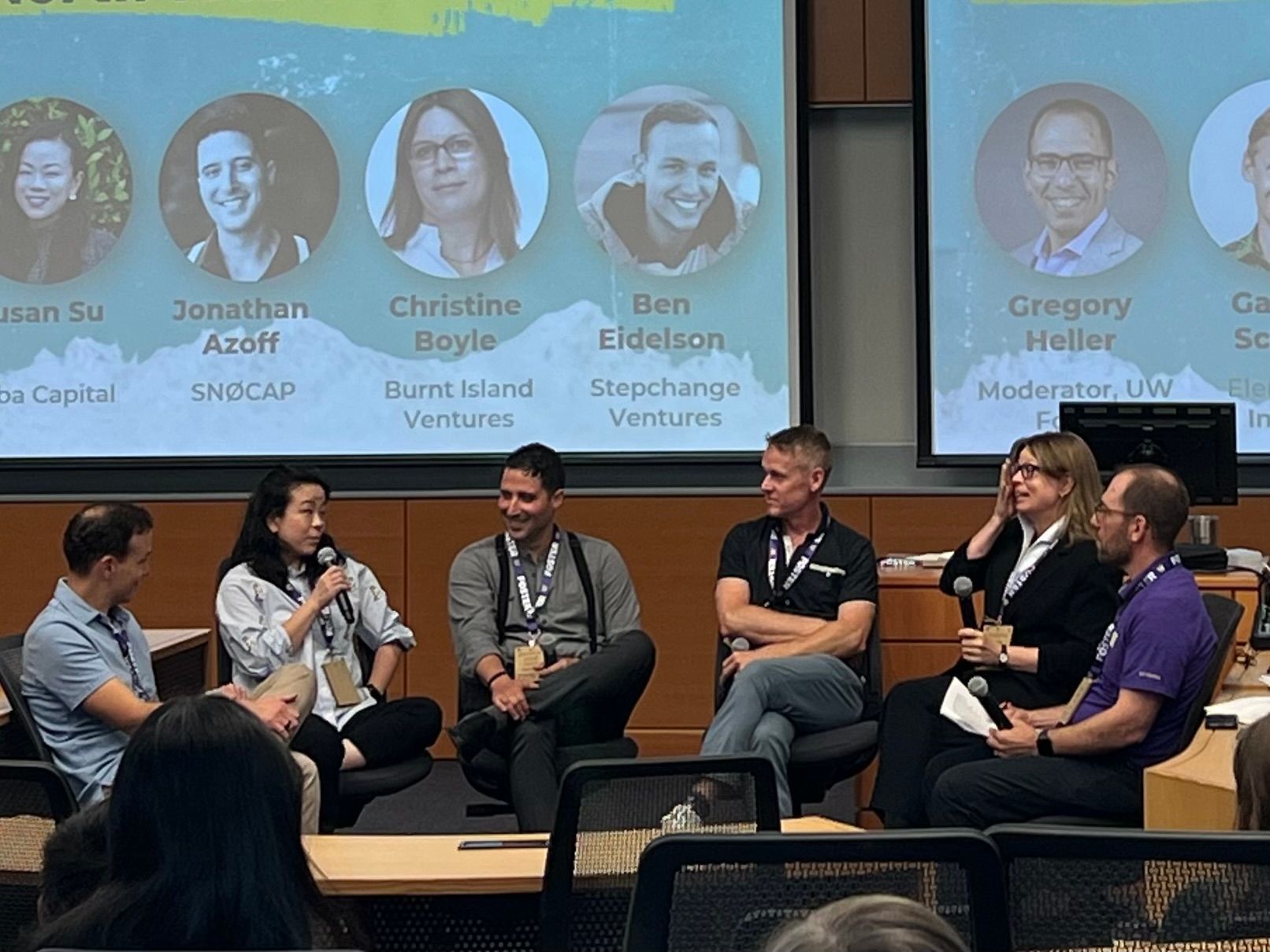
Not familiar with Fledge? They brand themselves as the conscious company accelerator and bring in entrepreneurs from all over the world, much like a traditional accelerator, but with a focus on companies that solve real problems in the world. They started in Seattle 7 years ago, but now have locations in Padua, Nairobi, Lima, and Boston, among others. Soon they’ll be in Egypt and Rwanda. Fledge helps their “fledglings” create business plans, learn how to market themselves and make pitches to investors. You know, the usual incubator type intensive skill training.
The Fledgling in Chief, Luni Libes, believes he’s found the sweet spot where impact investors can pad their portfolios while creating opportunities for mission-driven, for-profit companies to build in places a traditional VC would never look. That’s because the goal here isn’t to exit at 10x; it’s about creating a growing and sustainable business. He must be on to something because 454 companies from 85 countries submitted applications to be part of the program this year.
As someone who preaches the gospel of story, it was like listening to the harmonies of a church choir. After seven weeks of intense training, they were all polished and on key. I tried the wise-guy contrarian act on several of them in one-on-one conversations, but they sidestepped my gentle barbs and didn’t miss a note. Curses!
But here’s the thing that made them all successful in my eyes; they all used the basic narrative structure to bring me along on their journey. So often, when I listen to pitches from MBA’s and engineers, they lose me because they don’t establish a place or a hero who piques my interest.
The founder of Kalahari Honey didn’t sell me on the purity of her product; she sold me on a story about the conflict between man and elephant, and her solution to ease the divide.
What was her solution? Honey bees. I didn’t know elephants were afraid of bees. Did you? It turns out that not only do honey bees strategically located around the perimeter of a farm keep the elephants away, but it also creates an opportunity for small farmers in Botswana to earn a living. I don’t know what the expected ROI is, but how could you not want to know more?
Shoes made in Asia? Been there, done that–or not. Fuchsia Shoes has contracted with individual artisans in Pakistan and connected them with women all over the world who want to win the Best Original Shoes award among their peers.
The list went on.
- Kenyans don’t have enough protein in their diet; ergo Chicken Basket is distributing day-old chicks, feed, and medicine to farmers and creating a market by repurchasing them and selling fried chicken in a town that’s not on my GPS.
- Bieera Energy, also from Kenya, is creating micro-hydro grids to power a city of 50,000 by creating an independent, for-profit electric company focused on rural, Western Kenya.
- Oreggs is creating a poultry economy for farmers in Uganda, fighting malnutrition with 6+ million eggs and counting.
- And Briotech, the one local entry, has replicated a chemical made naturally in the human body to produce a disinfectant that has significant implications for global health.
If you have a chance, watch their 5-7 minute TED-style talks here. There are great lessons in building a narrative for your company, but it’s also going to be the feel-good highlight of your week.
The post Fledgling Stories appeared first on Michael's Marc.