Why Clean Energy Projects Are Losing Rural America — and How Developers Can Change the Story
Michael Grossman • March 13, 2026
Engineering solves technical problems. Community trust determines whether projects get built.
The Quiet Crisis in Clean Energy Development
The United States is experiencing a permitting crisis for renewable energy projects.
Between 2018 and 2023, roughly 30% of utility-scale wind and solar projects were canceled during the siting process,
often because of local opposition or zoning restrictions.
At the same time, opposition is spreading rapidly across the country.
Researchers tracking renewable project conflicts have documented:
In other words, the challenge facing clean energy deployment is not primarily technological.
It is political and social.
When a Wind Project Dies
Last week, a county commission in Washington State placed a moratorium on new wind energy development. That decision effectively halted the Harvest Hills Wind Project, a project proposed by Vestas, one of the most experienced wind companies in the world.
The turbines themselves were not controversial from an engineering standpoint. Wind power is now one of the most mature energy technologies in the global power system. Yet the project still collapsed.
The reason lies in the way public opinion forms around infrastructure projects.
The New Reality of Local Politics
Developers now operate in a communications environment where information spreads instantly and credibility is fragmented.
Anyone with a social media account can claim expertise.
Algorithms amplify outrage.
And misinformation circulates faster than technical explanations.
Even claims that wind turbines cause cancer — a theory repeatedly debunked by medical researchers
— continue to appear in local debates.
Once that narrative spreads within a community, the formal permitting process often becomes the stage for a conflict that has already been decided informally.
Why the Old Engagement Model Fails
The traditional developer playbook looks transparent on paper:
1. Announce the project
2. Launch a website with a project overview and FAQ
3. Invite residents to public meetings
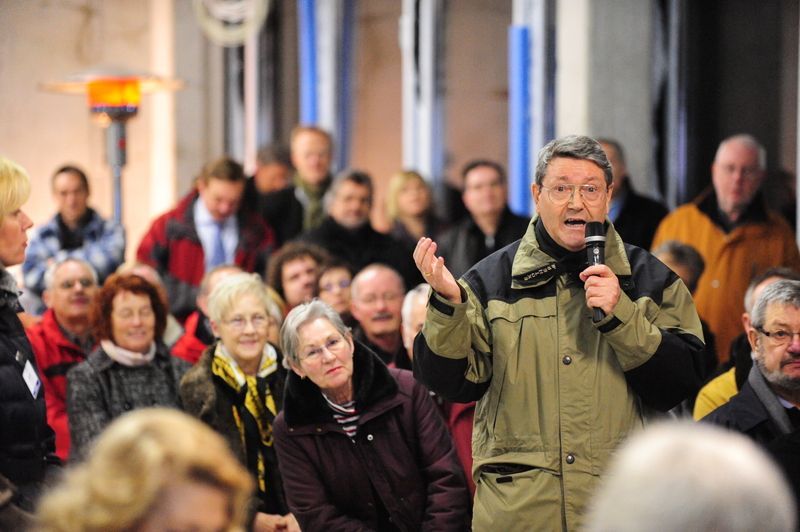
But when residents encounter the project for the first time through zoning notices or political social media posts, the project feels imposed rather than understood.
By the time formal stakeholder engagement begins, the conversation often starts from mistrust.
Farmers Understand the Problem
Most wind and solar projects are located in rural areas. Farmers in those communities know something developers sometimes overlook:
You prepare the soil before planting the seed.
A farmer who plants before the soil is ready wastes the crop.
Community engagement works the same way.
If developers wait until a project is announced to begin outreach, the ground is already hardened.
Grassroots Outreach Is Cheap Insurance
Large energy projects often cost hundreds of millions of dollars, yet communications budgets for those projects are frequently minimal.
True grassroots outreach typically costs less than one percent of project value, yet it can determine whether the project survives local politics.
That outreach must reach residents where they already gather online:
• Pre-roll ads on YouTube
• Facebook and Instagram
• Twitter/X (yes, even Twitter, because it's still a home for political junkies)
• Streaming audio like Spotify and Pandora
These platforms allow developers to communicate long before the permitting process begins.
Projects Are About People
Most renewable project websites emphasize infrastructure.
Turbine height.
Generation capacity.
Interconnection details.
Tax base.
Those facts matter, but they rarely build trust.
Communities want to know something simpler:
- How does this benefit me?
- Who in our community supports this?
In rural areas, credibility travels through relationships. Residents trust farmers, business owners, and local leaders far more than corporate statements.
A project website dominated by technical diagrams tells one story. A project website featuring community voices tells another.
A Model That Worked
Washington State’s Clean Fuel Standard
faced intense opposition from the oil industry, but the policy ultimately passed because our team built a broad coalition before the final legislative fight began.
That coalition included communities environmental campaigns often overlook: timber workers, minority businesses, and farmers, who were often the target of oil industry hysterics about gas prices.
We spent months educating those communities before asking them to take action.
When the opposition campaign intensified, the coalition already existed.
The Future of Project Development
Clean energy developers have historically thought of themselves as engineering organizations.
In today’s political environment, they must also think like community organizers.
That means:
• Beginning outreach before project announcements
• Engaging entire communities, not just formal stakeholders
• Communicating through digital channels where residents already gather
• Elevating trusted local voices
The energy transition depends on infrastructure.
But infrastructure ultimately depends on trust.
Climate tech founders using AI for websites and pitch decks may not fully own what it creates. Here’s what to know before you hit Generate.

Selling complex technology takes more than academic rigor. Founders need the relationship skills from high school to win over investors and customers.
When your market has dozens, not thousands, of potential customers, conventional GTM tactics break down. Learn how to market when every prospect matters.
Labor Day traditionally means the start of political campaign season.

PitchBook’s Q2 2026 data confirms what climate tech investors value: affordability, reliability, resilience and energy independence. Make those benefits your message.
Align marketing and sales around a clear message that helps risk-averse customers understand your complex technology and make the case for change.
America Connects is the data center industry's answer to entrenched public opposition. Before the campaign expands, here's some unsolicited advice.

Climate and deep tech companies sell optimism. Learn why a dark website can make investors and customers hesitate before they read a word.
Venture capital is more concentrated than ever. Learn why investor attention has become scarce and how it changes the way investors review pitch decks.