
The Clean Up Marketing Playbook: How a Strategic Rebrand Built a National Biogas Leader

Michael Grossman • January 13, 2026
Most cleantech companies don’t fail because the technology is weak. They fail because the story is. The market doesn’t reward the best-kept secret — it rewards the cleantech brand that communicates clearly, builds trust with the right audience, and positions itself as the only credible choice in its niche.

Regenis is the perfect example.

Before becoming one of the most respected names in American biogas, they were the digester division of a much larger HVAC and food processing company in Washington State. The technology was solid. The team was top-notch. The opportunity was real. But the brand wasn’t built to scale.

That changed when Clean Up Marketing stepped in and rebuilt the company from the ground up — name, message, positioning, identity, digital presence, and lead generation.

The result: a complete transformation from a hidden division into a national biogas leader with a 10x increase in qualified traffic, a first-page presence on Google, and a brand trusted by dairy operators across the country.
Here’s the playbook we used.

1. Start With Market Reality, Not Internal Assumptions

When we first met the digester division leaders on a Seattle–Boise flight, they were part of a company that built everything from HVAC systems to food processing equipment to commercial exteriors — plus two anaerobic digesters.

It didn’t take long to see the problem: These services had different buyers, different problems, and different values.

Homeowners wanting more efficient HVAC systems had nothing in common with dairy farmers struggling with manure, permitting, and regulatory compliance. Yet everything lived under the same brand.

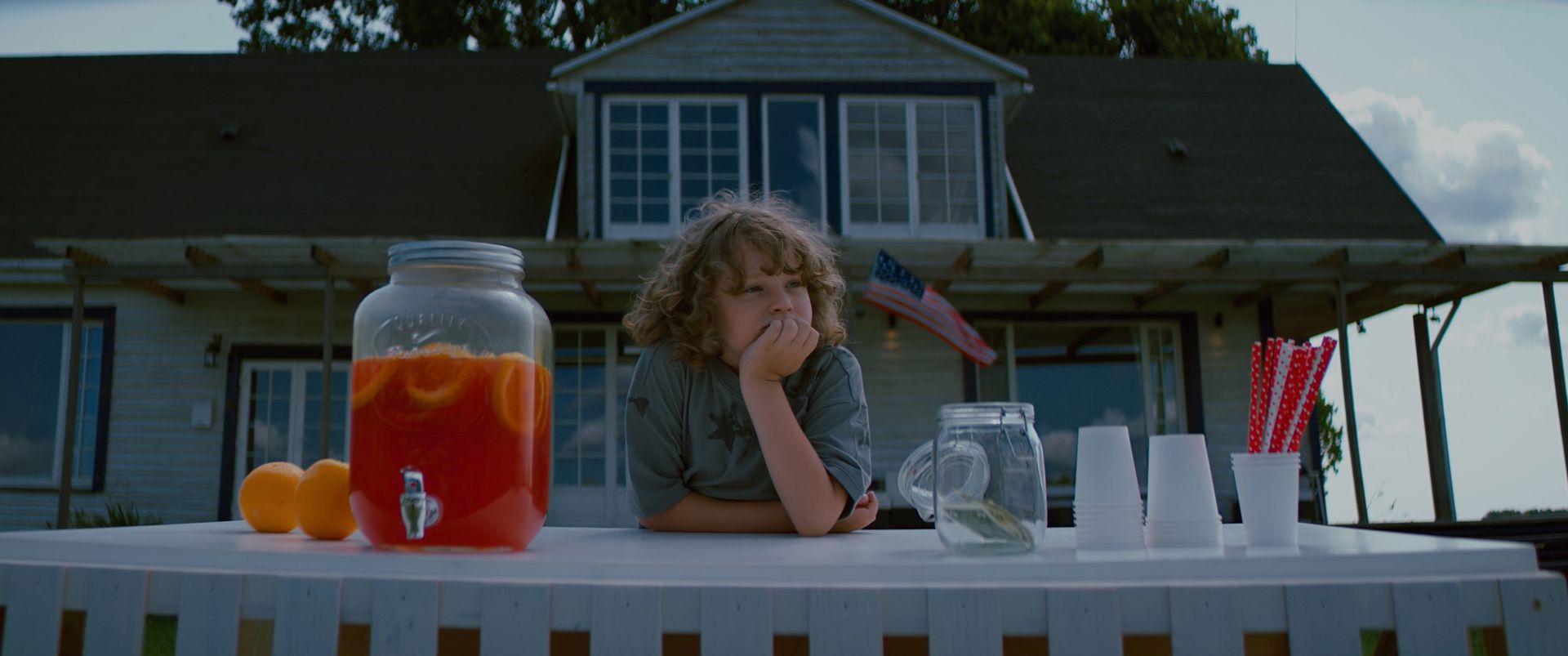
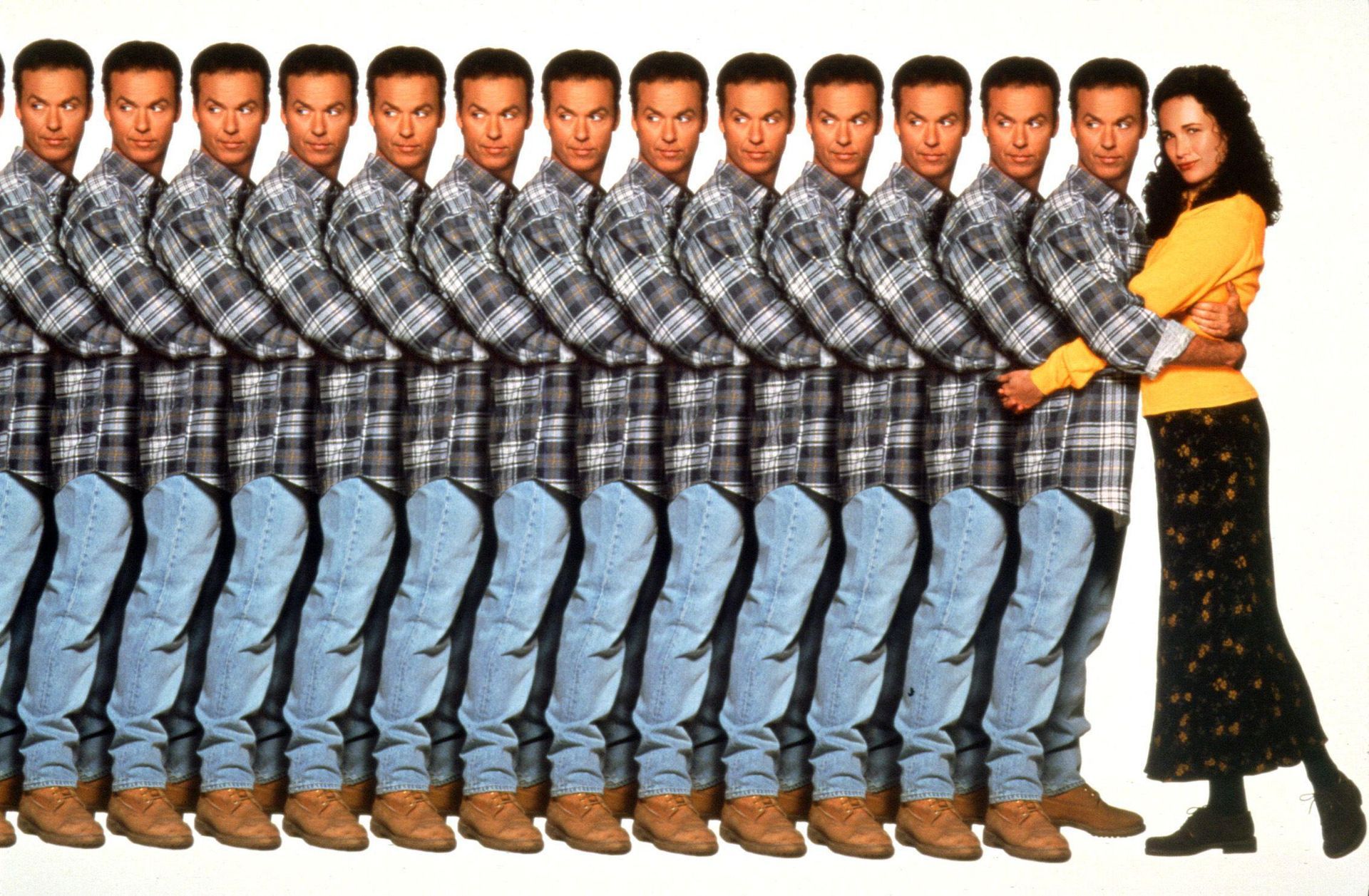
After research interviews with executives and customers, we told the founders what they already sensed. Like the famous song from Sesame Street: 

“One of these things is not like the other.”

The digester division needed its own identity — one aligned with the culture, needs, and risks of dairy producers.

That insight set the entire rebrand in motion.

2. Build a Brand That Speaks the Language of the Buyer

Regenis wasn’t born from a naming exercise. It was born from understanding the people we needed to earn trust from.

Dairy farmers — especially in conservative rural communities — were not motivated by climate messaging. Many didn’t believe climate change was man-made, and they certainly didn’t adopt digesters because of it.

They cared about:

• Reducing pathogens in their waste stream
• Protecting local waterways
• Avoiding environmental fines
• Creating predictable income streams amidst unstable milk prices
• Practicing stewardship over their land

The brand had to reflect them, not abstract climate narratives.

We chose Regenis because it worked on multiple levels:

• “Re” symbolized turning waste into value.
• “Genis” referenced the Book of Genesis — aligning with the biblical stewardship that many farmers cited as their motivation.
• Combined, the name represented creation, renewal, and responsibility.

This wasn’t superficial. It built cultural alignment — the foundation of trust.

And trust is the currency of every long sales cycle industry, especially biogas.

3. Design an Identity That Tells the Story Visually

A great cleantech brand identity isn’t art — it’s strategy expressed visually.

For Regenis, we created a mark that blended:

• The methane molecule (the core of every biogas system)
• A swoosh indicating transformation
• A warm green that signaled environmental service, not tech abstraction

This identity told a complete story in a single glance: Regenis transforms waste into something new — with environmental stewardship at its core.

That’s exactly what dairy operators needed to understand before signing off on a system that would sit on their land for decades.

4. Build a Digital Platform That Attracts, Educates, and Converts

Branding is only as strong as the platform that carries it. Once Regenis had a new identity, we needed a digital ecosystem capable of:

• Explaining digesters to people who had never managed one
• Addressing pain points of investors, utilities, and farmers
• Ranking on Google for terms notoriously difficult to capture
• Turning curious visitors into educated prospects
• Supporting a long, complex B2B sales cycle

Anaerobic digestion is a niche topic. Most online searches lead to universities, government publications, or research institutions — not private companies.

So the content strategy had to be smarter.

We created:

SEO-optimized copy for high-intent terms like “anaerobic digester,” but also for “biogas credit markets,” “nutrient recovery,” and “how to sell biogas.”
Prominent calls to action that invited visitors into long-term education rather than short-term sales outreach.
A multi-episode video course taught by the Director of Research — one of the industry’s leading experts. This filtered out unqualified leads who needed education, not sales conversations.
A paid Google Ads campaign to dominate first-page visibility for every relevant search term.
Visual social assets to demonstrate expertise across social media and industry platforms.
Quarterly newsletters that nurtured relationships across long decision timelines.

This wasn’t about volume. It was about precision.

The digital strategy allowed Regenis to meet people exactly where they were — and move them forward with clarity.

5. Tell a Story That Makes the Company the Only Logical Choice

Branding is not about being “the best.”
It’s about being the only brand mentally associated with a specific category.

For Regenis, that positioning was clear:

“The company that simplifies biogas production from design, permitting, and engineering to day-to-day operations and post digestion nutrient recovery so you (the farmer) can maximize revenue. In essence, their expertise addressed one of the top concerns of dairy owners: how to install and operate complex industrial machinery that was outside their area of expertise, but which was key to their financial stability. And because Regenis was technologically neutral, they built trust by using the digester design that best fit the footprint and needs of the dairy owner rather than a one-size fits all model.”  

No one else in the sector offered that level of integration. But the market didn’t know that until the messaging system made it unmistakable.

We created a narrative arc built on:

• Origin and stewardship
• Engineering credibility
• Integrated capabilities
• Turning regulatory problems into profits
• Experience with real operational systems

This differentiated Regenis not only from regional competitors but from every biogas developer in the country.

6. Drive Measurable Growth With a Unified System

Once the identity, messaging, and digital platforms were aligned, the results came quickly:

• Regenis’ website traffic increased 10x in the first year.
• The company reached first-page Google results for more than a dozen industry terms.
• Unqualified sales calls plummeted thanks to the educational content funnel.
• Lead quality increased because prospects self-educated before outreach.
• The brand became known not just regionally, but nationally.

Today, Regenis is one of the most respected names in American biogas:

• Over a dozen digesters built
• Industry leadership in converting biogas to RNG
• A workforce of more than 100 digester operators across the country

The transformation didn’t happen because of advertising dollars. It happened because the brand strategy made the company unforgettable.

The Playbook Any Cleantech Company Can Apply

Regenis succeeded because the strategy matched the market. Any cleantech company can follow the same model:

1. Understand Your Audience Before You Brand

Your buyers’ values matter more than your features.

2. Build a Name and Narrative They Can Believe In

Branding is trust architecture.

3. Design an Identity That Tells the Story Fast

Visual shorthand matters.

4. Create Digital Systems That Educate, Not Chase

Especially in long sales cycles.

5. Position Yourself as the Only Logical Provider

Not the best — the only.

6. Use Marketing to Reduce Friction Across the Sales Cycle

Because clarity accelerates adoption.

Final Thoughts

Biogas is the commodity Regenis makes, but that alone didn’t make Regenis a national leader.

A focus on solving dairy farmer’s problems with integrity, clear positioning, aligned messaging, and a strategic brand system did.
When cleantech companies combine technical excellence with strategic storytelling, they stop being another vendor and start becoming the brand people trust.

That’s the Clean Up Marketing Playbook — and Regenis is proof that it works.

Wondering why investors and pilot partners aren't returning your calls?
By Michael Grossman April 12, 2026
When your value proposition turns into a list, deals slow down. Learn how one clear promise helps investors and buyers understand, explain, and approve your cleantech solution faster.
Panel discussion at the 2026 American Clean Power Conference
By Michael Grossman April 6, 2026
Why clean energy projects fail permitting in 2026—and what developers must change: early outreach, local messengers, and digital campaigns that define the fight before opposition does.
Rural communities are pushing back against clean energy projects.
By Michael Grossman March 30, 2026
Denmark leads on climate—but even there, utility-scale solar is facing backlash. The community fault lines around clean energy projects worldwide can be overcome.
By Michael Grossman March 26, 2026
Clean energy developers do not lose projects because their technology fails. They lose projects because they misunderstand how decisions get made in the communities where those projects are proposed. If you spend enough time around project development, you start to see the same pattern. A site pencils. The resource is there. Interconnection works. Capital is lined up. Then the project enters the public process and something shifts. Opposition forms. Local officials hesitate. The project stalls or disappears. That outcome is not rare. Roughly one out of every three large clean energy projects in the United States never reaches construction . At the same time, the environment around these projects is getting harder. Research from the Sabin Center for Climate Change Law at Columbia University tracks hundreds of renewable energy projects across dozens of states facing organized opposition, along with a growing number of local laws restricting development. Across the country, local resistance is no longer episodic. It is structural. Most developers respond by trying to improve how they explain their projects. That is not where the problem sits. The most common messaging mistake clean energy developers make is this: They treat communication as explanation when it is actually coalition building. The Illusion Of Stakeholder Engagement Developers often approach communication by identifying “stakeholders” and building a plan to engage them. The list is familiar. Elected officials, regulators, adjacent landowners, business groups. Those people matter, but they are not the community. Communities are not organized through formal roles. They are organized through trust . Influence sits with people who do not appear on stakeholder maps. A pastor, a co-op manager, a respected farmer, a small business owner. These are the people others listen to when they are deciding what a project means. When engagement is limited to formal stakeholders, developers miss the informal networks where opinions actually form. That gap is where opposition gains ground. Developers Try To Be The Messenger Even when developers engage early, they often assume they should be the ones delivering the message. They have the data. They understand the project. They can explain the benefits. That logic makes sense internally. It is less effective externally. People trust those who share their lived experience . A developer entering from outside the community is asking for trust before it exists. A local voice does not need to make that same ask. This is not a communications nuance. It is the difference between being heard and being discounted. Projects that move forward tend to have credible local voices who can explain the project in terms that make sense to their neighbors. Projects that fail often rely on the developer to carry that burden alone. What is actually at stake These dynamics are easy to underestimate because they are not reflected in financial models. A utility-scale wind or solar project in the 50 to 100 megawatt range typically requires $75 million to $200 million in upfront capital, depending on technology, location, and interconnection costs. Over a 20 to 30 year lifespan, those projects can generate hundreds of millions of dollars in contracted revenue, particularly when backed by long-term power purchase agreements. When a project fails at the permitting stage, that capital is not redeployed cleanly. Time is lost. Development costs are written off. Market windows close. This is not a marginal issue. It is a core risk to the business model. The New Pressure: Data Centers The stakes are rising because demand is rising. The rapid growth of artificial intelligence and cloud computing is driving a surge in data center development across the United States. These facilities require enormous and continuous electricity loads. Recent analysis from Pew Research Center notes that data center electricity consumption in the U.S. is expected to increase significantly as AI adoption expands, placing new pressure on regional grids. At the same time, research from Columbia Business School highlights a growing race to secure power for these facilities, with developers competing for access to clean and reliable electricity. Additional analysis from Environmental and Energy Study Institute warns that data center demand is already reshaping grid planning and could complicate climate goals if new supply does not come online fast enough. This creates a collision. On one side, data center developers need large volumes of electricity, increasingly from low-carbon sources. On the other, local opposition is making it harder to build the very projects required to meet that demand. The result is a tightening constraint on both infrastructure and timelines. Coalition Building As A Development Function In this environment, coalition building is not a communications add-on. It is a core development function. Projects that succeed tend to follow a different sequence. They identify credible local voices early. They invest time in understanding how the project intersects with local concerns. They allow the community to shape how the project is discussed rather than introducing a fully formed narrative late in the process. This work often happens before a project is publicly announced. It rarely appears in investor updates. It is difficult to quantify. It is also one of the clearest predictors of whether a project moves forward. A Different Way To Think About Messaging If you treat messaging as explanation, your goal is clarity. You want people to understand what the project is and why it matters. If you treat messaging as coalition building, your goal is different. You are working to ensure that when the project becomes public, there are already trusted voices within the community who understand it, can speak to it, and see a place for it. That shift changes everything. It changes who speaks. It changes when conversations begin. It changes how opposition is received. The Broader Implication The clean energy transition is often framed as a technological and financial challenge. Those elements matter. Progress on both has been significant. At the same time, the growing number of local restrictions, the scale of organized opposition, and the surge in electricity demand from data centers point to a different constraint. The limiting factor is not always whether a project can be built. It is whether a community is prepared to accept it. Developers who recognize that early and build coalitions accordingly get projects built. Developers who do not often find themselves trying to explain a project after the decision has already been made.
By Michael Grossman March 23, 2026
AI produces familiar marketing based on what’s already worked. Cleantech companies need messaging that drives adoption, not repetition.
By the time a clean energy project has a public hearing, opinions have hardened.
By Michael Grossman March 18, 2026
Learn why many clean energy projects fail before construction. Local opposition, permitting risk, and public narrative shape outcomes more than technology.
By Michael Grossman March 13, 2026
The Quiet Crisis in Clean Energy Development The United States is experiencing a permitting crisis for renewable energy projects. Between 2018 and 2023, roughly 30% of utility-scale wind and solar projects were canceled during the siting process, often because of local opposition or zoning restrictions. At the same time, opposition is spreading rapidly across the country. Researchers tracking renewable project conflicts have documented: • 498 contested renewable projects across 49 states • 459 counties and municipalities with severe restrictions on renewable development In other words, the challenge facing clean energy deployment is not primarily technological. It is political and social. When a Wind Project Dies Last week, a county commission in Washington State placed a moratorium on new wind energy development. That decision effectively halted the Harvest Hills Wind Project, a project proposed by Vestas, one of the most experienced wind companies in the world. The turbines themselves were not controversial from an engineering standpoint. Wind power is now one of the most mature energy technologies in the global power system. Yet the project still collapsed. The reason lies in the way public opinion forms around infrastructure projects. The New Reality of Local Politics Developers now operate in a communications environment where information spreads instantly and credibility is fragmented. Anyone with a social media account can claim expertise. Algorithms amplify outrage. And misinformation circulates faster than technical explanations. Even claims that wind turbines cause cancer — a theory repeatedly debunked by medical researchers — continue to appear in local debates. Once that narrative spreads within a community, the formal permitting process often becomes the stage for a conflict that has already been decided informally. Why the Old Engagement Model Fails The traditional developer playbook looks transparent on paper: 1. Announce the project 2. Launch a website with a project overview and FAQ 3. Invite residents to public meetings But when residents encounter the project for the first time through zoning notices or political social media posts, the project feels imposed rather than understood. By the time formal stakeholder engagement begins, the conversation often starts from mistrust. Farmers Understand the Problem Most wind and solar projects are located in rural areas. Farmers in those communities know something developers sometimes overlook: You prepare the soil before planting the seed. A farmer who plants before the soil is ready wastes the crop. Community engagement works the same way. If developers wait until a project is announced to begin outreach, the ground is already hardened. Grassroots Outreach Is Cheap Insurance Large energy projects often cost hundreds of millions of dollars, yet communications budgets for those projects are frequently minimal. True grassroots outreach typically costs less than one percent of project value, yet it can determine whether the project survives local politics. That outreach must reach residents where they already gather online: • Pre-roll ads on YouTube • Facebook and Instagram • Twitter/X (yes, even Twitter, because it's still a home for political junkies) • Streaming audio like Spotify and Pandora These platforms allow developers to communicate long before the permitting process begins. Projects Are About People Most renewable project websites emphasize infrastructure. Turbine height. Generation capacity. Interconnection details. Tax base. Those facts matter, but they rarely build trust. Communities want to know something simpler: How does this benefit me? Who in our community supports this? In rural areas, credibility travels through relationships. Residents trust farmers, business owners, and local leaders far more than corporate statements. A project website dominated by technical diagrams tells one story. A project website featuring community voices tells another. A Model That Worked Washington State’s Clean Fuel Standard faced intense opposition from the oil industry, but the policy ultimately passed because our team built a broad coalition before the final legislative fight began. That coalition included communities environmental campaigns often overlook: timber workers, minority businesses, and farmers, who were often the target of oil industry hysterics about gas prices. We spent months educating those communities before asking them to take action. When the opposition campaign intensified, the coalition already existed. The Future of Project Development Clean energy developers have historically thought of themselves as engineering organizations. In today’s political environment, they must also think like community organizers. That means: • Beginning outreach before project announcements • Engaging entire communities, not just formal stakeholders • Communicating through digital channels where residents already gather • Elevating trusted local voices The energy transition depends on infrastructure. But infrastructure ultimately depends on trust.
Cleantech websites shouldn't require a map to find the treasure.
By Michael Grossman March 12, 2026
If visitors can’t tell who your cleantech solution is for within seconds, they leave. Learn how clearer messaging turns your website into a recognition tool.
If you want your content to be king, consistency in posting is queen.
By Michael Grossman March 3, 2026
Most cleantech startups treat content like an afterthought. Here’s why a strategic LinkedIn and email content plan builds credibility with investors and partners.
SHOW MORE