
What Clean Energy Developers Can Learn From The Petroleum Papers
How Fossil Fuel Groups Fight Clean Energy Projects…And How To Beat Them
If you’re trying to site and permit a clean energy project, make sure to include the book, “The Petroleum Papers,” in your background research. It’s a thorough, decade-by-decade review of the oil industry’s obfuscation of climate science to protect its profits, and the bare-knuckled political tactics they employed to prevent environmentally friendly legislation and clean energy projects from proliferating.
It's unlikely that the information will surprise readers of this article; however, its pages offer a veritable instruction manual of the levels of deceit fossil fuel front groups will employ to keep their stock prices climbing.
My firm has become something of an expert in defeating Big Oil’s playbook, as we notched another victory for clean energy by helping pass the Clean Fuel Standard in Hawaii last week.
It’s the second time our digital grassroots campaigns have overcome the oil industry’s monopoly, hyperbole, and deep pockets (and we aren’t stopping there).
I was reading The Petroleum Papers as the bill passed both houses of Hawaii’s legislature after a three-year fight amidst the backdrop of climate-cancer-caused devastating wildfires on Maui and flooding on Oahu.
While the obscene campaign contributions Big Oil typically makes to persuade friendly legislators weren’t nearly as grotesque in Hawaii as they are in some states, they still made the same unsubstantiated claims about rising gas prices, job losses, and general economic devastation they proffered in 21 other states during the decade of the 2010’s to defeat clean fuel legislation before we ended their winning streak in Washington State in 2021.
Applicable Lessons For Clean Energy Developers
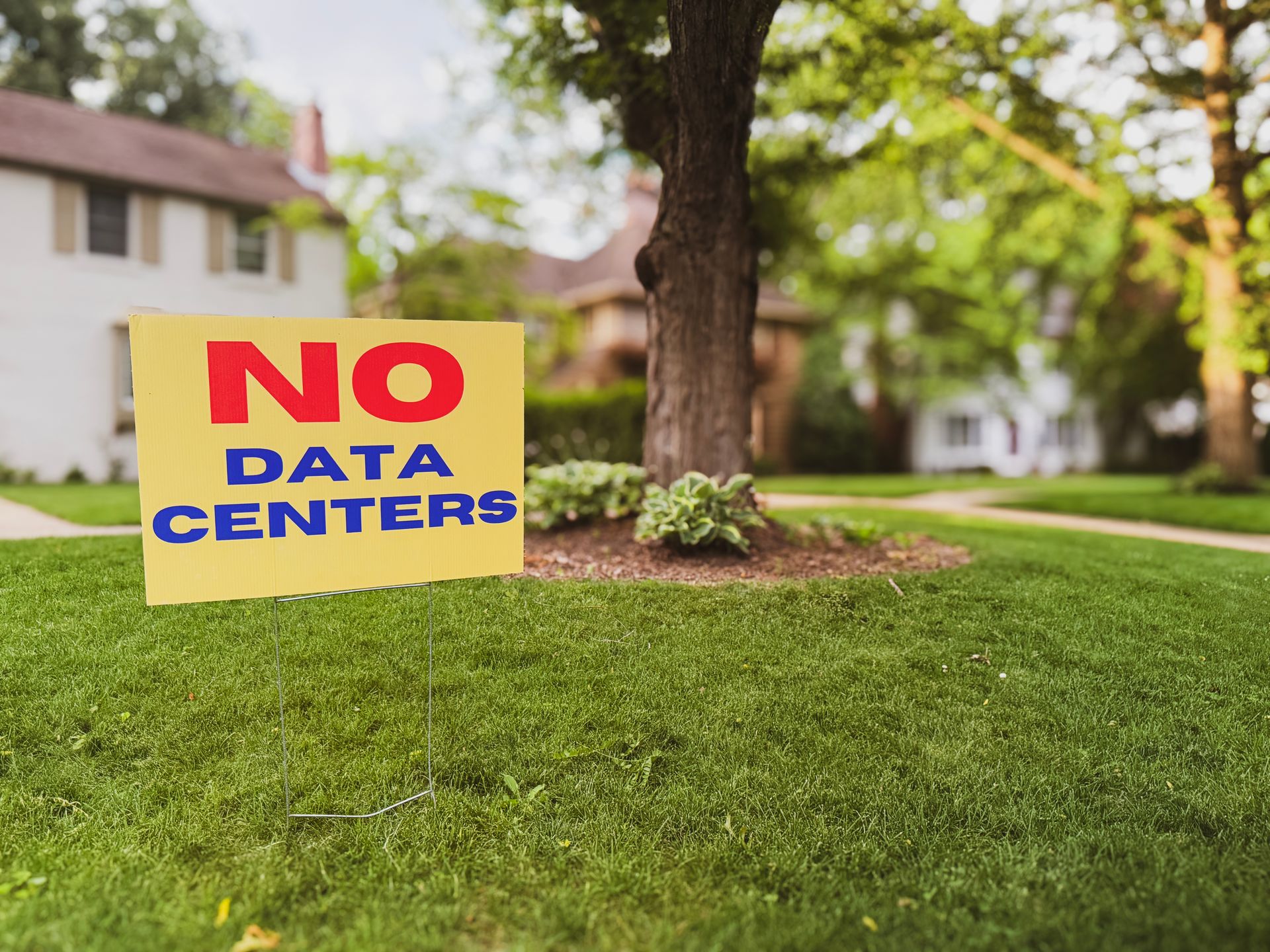
If you’re trying to develop a solar, wind, BESS, biogas, or data center project, you’re bound to encounter some community opposition that can easily translate into opposition from planning boards, county councils, and state siting regulators.
Sometimes, the opposition in rural communities (where these projects are typically proposed) has legitimate, local concerns about property values, fire hazards, or protection of agricultural lands and wildlife.
More often, though, that opposition is manufactured by an industry that has known about the dangers of its product and lied about it for the last 50 years as our planet heated.
They’ve convinced a large swath of Americans that clean energy is part of a green, urbanist, and emasculating agenda being foisted upon their communities and will unravel their way of life.
And while your messages might not be as powerful as confirmation bias from repeated exposure to anti-renewables fallacies, here’s what you can learn from The Petroleum Papers and our successful campaigns to promote a cleaner future.
Messages Must Have Consequences for Their Intended Audience
One of the reasons “clean” loses to “dirty” is that fossil fuel peddlers make the decision easy and obvious for their audience. Their front groups usually start with the word “Affordable,” as in affordable energy. The “astroturf” group in Washington State was called the Affordable Energy Coalition.
Not surprisingly, their message framework was keeping fuel prices affordable for working families, and that the Clean Fuel Standard would raise gas prices.
If your company is trying to permit a clean energy project, your message framework must be equally as direct and consequential.
Unfortunately, clean energy developers often lead with community benefits, which are nice, but don’t have the same emotional impact as the head of a household worried about paying their bills.
Likewise, “clean energy” is a message framework for those who are already ideologically predisposed to support environmental causes, but is unlikely to persuade those without an ideological bent.
The takeaway is to understand what matters to a community before speaking.
In Hawaii, we were very intentional about targeting what was important to our audience: air quality (health) and the high cost of living.
Because Hawaii produces very little energy, everything must be imported, which also drives up the cost of living. As a result, 70% of Hawaii’s electrical grid runs on dirty diesel, cargo ships running on every dirtier bunker fuel sit in port while unloading everyday goods, and Hawaii’s tourism-based economy requires hundreds of airplane takeoffs and landings over Honolulu, spewing jet fuel emissions over nearby neighborhoods.
Not surprisingly, Hawaii has higher asthma and lung disease rates than almost anywhere on the U.S. mainland, and they pay the highest gas prices in the nation.
Rather than pursue an ideological fight, our messaging emphasized how making fuel locally would reduce air pollution by up to 80%, create good-paying jobs in a state where many people have to work multiple jobs to survive, and bring competition to the gas pump to help alleviate high gas prices.
Yes, we also emphasized the environment (it is Hawaii after all), and the disastrous Maui wildfires in 2024 were a stark reminder of the damage fossil fuels are causing to our planet. We leveraged the tragedy in our messaging, but the main focus never swayed from health and making ends meet.
The Fact Of The Matter
We increasingly live in a fact-free society, and facts rarely change anyone’s opinions on social media, especially when algorithms promote outrage. Yet, when your audience is a small group of thinly resourced elected officials at the local level, facts buy you invaluable credibility.
Oil companies have poured hundreds of millions of dollars into think tanks that spit out cherry-picked facts (at best) or outright misleading data (more likely) about your project or legislation. They promote these falsehoods relentlessly through bot accounts on social media and through paid front groups that disseminate this information, never mentioning that both the think tanks and the front groups are paid by the same companies.
Your clean energy project needs to anticipate this fact war and get ahead of it.
In both the Washington and Hawaii campaigns, we had a paid researcher who combed through every available federal, state, and local data source to create powerful PowerPoint presentations, downloadable fact sheets, and visuals we could use on our website and social media, as well as sharing with our email list of supporters in a coordinated orchestral presentation that overwhelmed the research we already knew the opposition would present.
Fortunately, the oil companies are nothing if not predictable.
Elected officials, who don’t have their own research teams, thanked us for breaking down technical data in a way they could understand so they could make the best decision.
Meanwhile, we conducted a campaign to discredit the front groups that were delivering the manufactured facts. Our research uncovered the financial links connecting the front group to their fossil fuel funders, and we mercilessly taunted them anytime they testified at public hearings or posted on social media because if the messenger isn’t credible, the data will be ignored.
Historically, environmental groups have shied away from these kinds of spats, assuming that neutral parties could separate good actors from bad, but by defining the front groups early and often, we rendered them ineffective.
The Messenger Is The Message
The most effective messengers Big Oil used to defeat clean energy legislation weren’t the CEO’s of their companies. Their ads featured construction workers and moms taking their kids to school.
They may have been paid actors, but if you’re a clean energy developer, take heed. People are more persuadable when they hear information from trusted neighbors, friends, and those who look like them rather than someone from out of town with a business proposition.
Too often, the first person a community hears from about a project is the project developer at a community meeting. Big mistake.
Smart developers clue into the need for local surrogates to speak on behalf of their project because trusted community voices give their project social proof.
In both Washington and Hawaii, we built education and coalition-building campaigns long before the legislation was introduced.
While the oil industry did what’s commonly called “stakeholder outreach” to interested parties who were represented by lobbyists, we built a coalition of faith leaders from distressed communities that were overburdened by pollution, small business owners who would benefit from a monthly check for their used cooking oil, doctors, nurses, and environmentalists.
Guess who was more convincing testifying in front of legislative committees?
Starting early is the key. Earnest outreach and repeated education for allies are essential to prevent unnecessary project delays when local officials are uncertain who to believe.
Don’t Get Caught In The Oil Industry’s Briar Patch
As any good lawyer will tell you, a court case is usually won or lost before anyone steps inside the courtroom. The same holds for your clean energy project.
- Find out what matters to the community and focus on it relentlessly (Hint: it’s generally not found in your list of community benefits)
- Build a network of supporters and surrogates before you announce the project.
- Have easy-to-understand, well-researched facts for decision makers
- Anticipate the opposition. The fossil fuel playbook is predictable.
- Your campaign isn’t about public meetings. Yes, you need to articulate the rationale there, but opinions are formed online and offline through neighbor networks.
- Yes, you need a good website, but there has to be a compelling reason for people to visit to learn more. Budget for digital ads, search ads, and social media ads because Americans spend nearly six hours every day online.